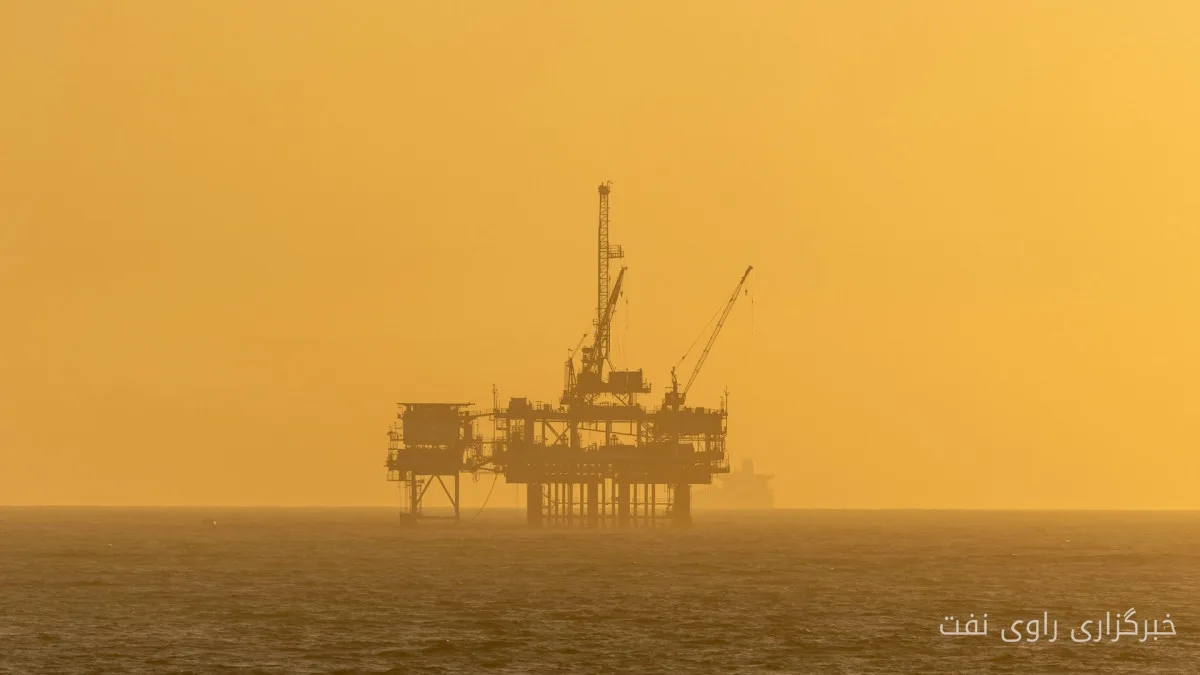
Kazakhstan, one of the resource-rich countries in Central Asia, is currently facing a major challenge in investing in its oil industry. According to the latest reports, the country needs $12 billion to develop its oil fields in order to achieve its production goals.
Current Status of Kazakhstan's Oil Fields
Kazakhstan has large and significant oil fields, including the Tengiz oil field and the Karachaganak oil field. The Tengiz oil field, considered one of the largest oil fields in the world, has a production capacity of 26 million tons of oil per year. Additionally, the Karachaganak field, with a production capacity of 12 million tons per year, is one of the key points in supplying oil for the country.
However, due to economic conditions and international pressures, Kazakhstan is facing a decline in investment and challenges in attracting foreign investors. This situation has particularly affected the development of necessary infrastructure for oil extraction and transportation.
Investment Challenges and Consequences
Experts believe that the lack of necessary funding for oil projects could lead to a decrease in Kazakhstan's oil production and exports. In 2022, the country produced about 85 million tons of oil and is recognized as one of the main oil exporters globally. However, if this trend continues, there is a possibility of reduced production, especially in older fields that require investment.
Moreover, Kazakhstan must confront challenges arising from geopolitical tensions and international sanctions. These issues could negatively impact trade relations and foreign investments, placing Kazakhstan in a sensitive position, especially as other countries are also seeking new energy resources.
In this regard, the government of Kazakhstan is striving to attract foreign investors by improving investment conditions and providing necessary incentives. These measures include easing laws and regulations, reducing taxes, and offering special facilities for oil projects. However, the success of these programs requires time and continuous effort.
Read more: North American Blue Energy Partners Increases Oil Production in Venezuela