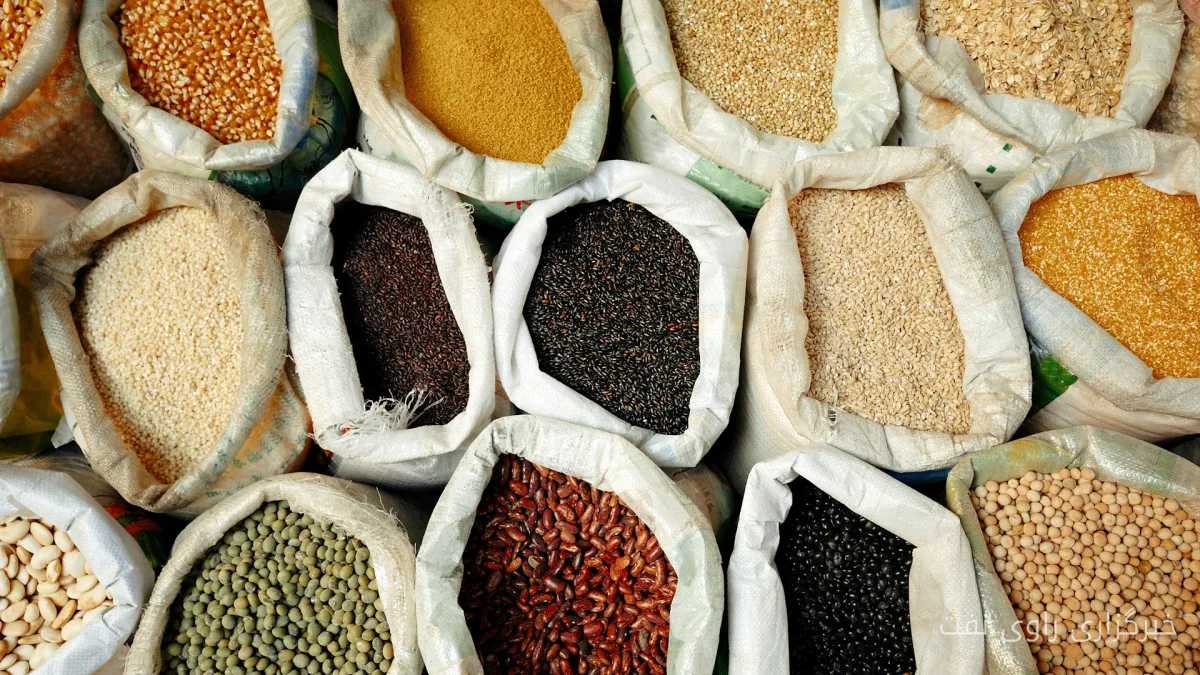
The global energy crisis is rapidly turning into a global food security crisis. Ongoing conflicts between some of the world's largest economies on two main fronts, including Russia's war in Ukraine and the military attack by the United States and Israel on Iran, have created geopolitical waves in vital trade routes and pose a threat to some essential human commodities, including oil and gas as well as grains and fertilizers.
Impact of the energy crisis on agriculture
A new report published by S&P Global points to "multidimensional pressure on global agriculture." Global food prices are influenced by two factors: diesel costs as one of the essential inputs for farmers and the potential shift of land from food production to biofuel production. Before the onset of the military attacks by the United States and Israel on Iran in February of this year, half of all global agricultural fertilizer exports passed through the Strait of Hormuz.
Read more: Japan's trade deficit increases due to the war against Iran
Risks from disruption in the fertilizer supply chain
Chemicals such as urea, ammonia, sulfur, hydrogen, natural gas, and nitrogen are vital components in the production of nitrogen fertilizers, which serve as fundamental inputs for ensuring global food security in today's agricultural systems. In particular, the cultivation of staple crops such as corn, wheat, and rice, which are almost entirely grown in industrial monoculture systems, is heavily dependent on chemical fertilizers.
This means that if global fertilizer supply chains are disrupted, half of the world's calories will be at risk. Following the closure of the Strait of Hormuz to nearly all maritime traffic on February 28, fertilizer prices surged significantly, quickly doubling their previous levels.
According to forecasts from the International Monetary Fund, a 10 percent increase in fertilizer prices by the end of this year will lead to a 5 percent increase in food costs in 2026 and a 2.4 percent increase in 2027. In the meantime, poor countries will suffer the most. The S&P Global report concludes: "The risk is increasing, especially for low-income countries where food costs account for nearly half of household expenses." This could deepen social and political crises globally.
Read more: Washington's new plan for Central Asia includes a $12 billion contract · Iraq's oil exports reached 3.4 million barrels per day in October



