Seyed Shojaoddin Emami-Raouf, Secretary of the Iranian Textile Industries Association, pointed to the existing challenges in securing raw materials for this industry, announcing a fourfold increase in transportation costs for raw materials. He stated that disruptions in maritime transport routes and rising logistical costs, along with the increase in exchange rates, have complicated the procurement of raw materials for this industry.
Dependence on Synthetic Fibers and the Impact of Oil Prices
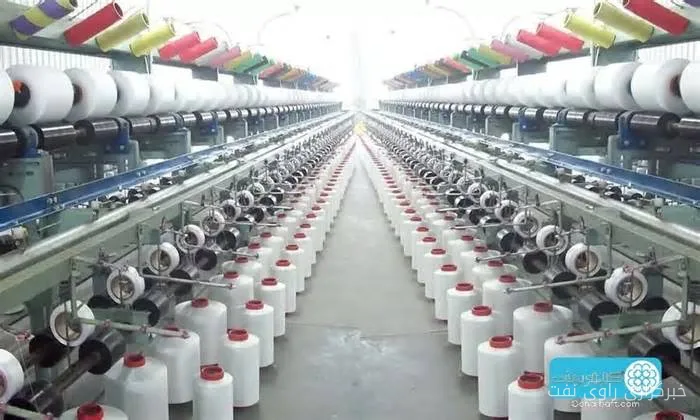
Emami-Raouf emphasized that at least 60 percent of the products in the textile industry are made from synthetic fibers, and a significant portion of these materials is dependent on petroleum derivatives. The rise in oil prices and petrochemical products in global markets directly affects the cost of securing raw materials for the textile industries. This situation has forced producers to resort to alternative land and rail routes.
Read more: Abdolsadeh Nissi Emphasized the Necessity of Sustainable Cooperation Between Iran and China
Transportation Challenges and Energy Imbalance
According to the Secretary of the Textile Industries Association, not only have transportation costs increased up to fourfold, but the time for transferring goods has also lengthened, and transportation restrictions have exacerbated this situation. These conditions have led production units to purchase generators and secure fuel from the free market to escape the imbalance of electricity and fuel in the country.
Emami-Raouf also pointed to the decrease in household purchasing power as one of the main factors behind the recession in the clothing market, stating: "The increase in living costs and the rise in prices of goods, especially due to the increase in exchange rates and the high cost of production inputs, have affected market demand. Consumers are shifting towards cheaper products."
The Necessity of Supporting Domestic Production
He called for policymakers to pay attention to household purchasing power and noted: "Supporting domestic production and encouraging consumers to buy Iranian goods can play a significant role in maintaining production capacity and employment in this industry." The Secretary of the Iranian Textile Industries Association also emphasized that this industry has a significant share in meeting domestic needs, creating jobs, and generating added value.
Emami-Raouf concluded by stressing that supporting the continuity of production units and preventing the weakening of the industrial capacities of this sector should be prioritized in the country's economic policies.
Read more: The Last Deadline for Depositing the Pre-Sale Amount for Iran Khodro for Aban 1405 · Increase in Crude Oil Prices to $113 and $104 for American Oil