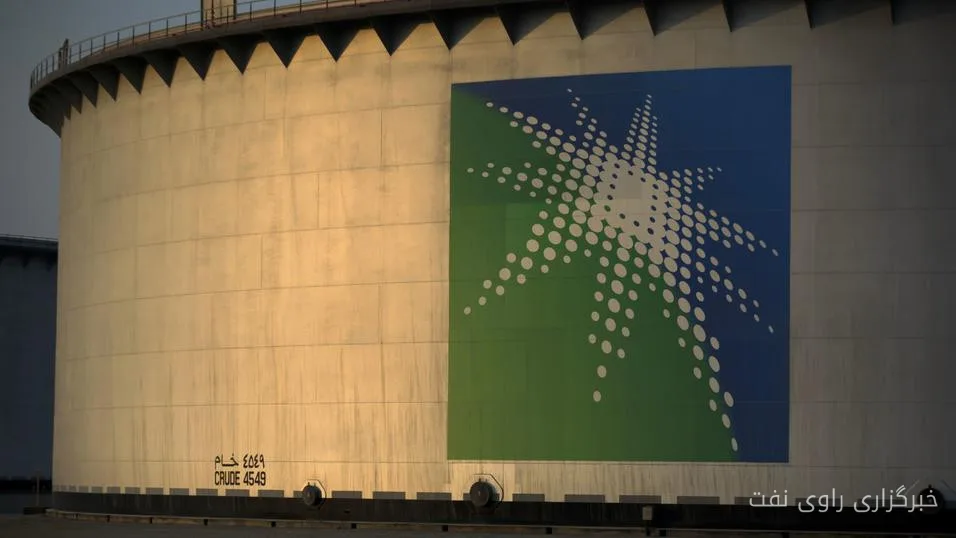
Saudi Arabia has restarted its East-West oil pipeline, allowing the country to deliver at least part of its oil flow through this route at a rate of 4 million barrels per day to the port of Yanbu. This pipeline, recognized as one of the main routes for Saudi oil exports, has been reactivated following drone attacks earlier this month that caused its shutdown.
Current Pipeline Performance
Currently, the pipeline is operating at a low rate, and Aramco is working to restore flows to about 4 million barrels per day. However, it may take weeks for the pipeline to be fully operational. A shipment is scheduled for loading at the port of Yanbu on Tuesday, destined for China. However, traders seeking oil are not waiting for full capacity, and Brent crude prices temporarily dropped by more than $2 per barrel, reaching the lowest level in two weeks at around $98, while West Texas Intermediate (WTI) crude prices fell below $92.
Read more: Ghasemi appointed as head of risk management for the Persian Gulf petrochemical industries group
Impact on the Oil Market
The restart of this pipeline coincides with Iran's proposal to reopen the Strait of Hormuz within seven days if U.S. military pressure is reduced and the blockade of Iranian ports ends. Prior to this shutdown, the East-West pipeline transported about 4 million barrels per day of oil from across Saudi Arabia to the port of Yanbu. In the absence of this pipeline, Aramco was forced to redirect larger quantities of crude oil towards the Persian Gulf and sell tens of millions of barrels to be shipped through the Strait of Hormuz and via ship-to-ship transfers near Oman.
This move helped Asian buyers, but Aramco had informed its European customers last week that October crude allocations would drop to zero following the pipeline's shutdown. Traders currently preparing for the reopening of this route are moving vessels towards the ports of Port Said and Sidi Kerir in Egypt for ship-to-ship transfers.
Overall, the oil market continues to face many challenges. Saudi oil flows have not yet returned to normal levels, and traffic in the Strait of Hormuz remains limited. Additionally, diesel markets are under pressure following refining disruptions in Russia and the Middle East.
Read more: Omid Shakri appointed as CEO of the National Petrochemical Company · Oil exploration continues in the Pazan field with the discovery of 200 million barrels of oil



