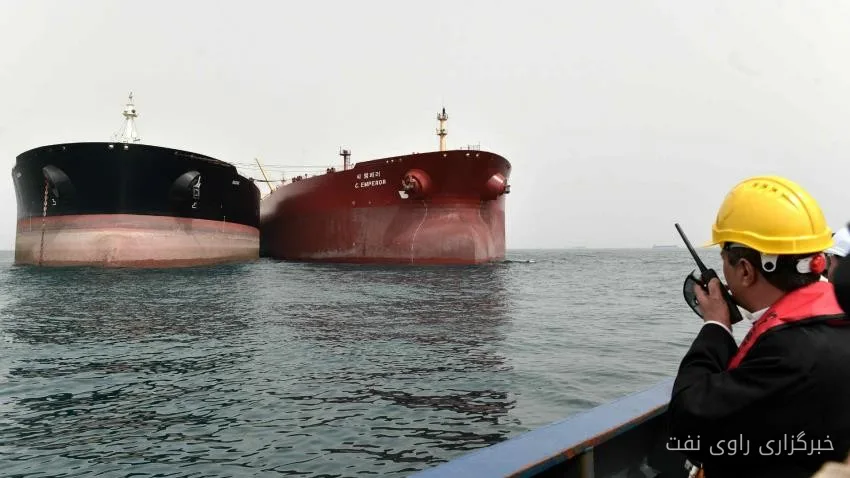
Saudi Arabia is taking measures to increase its oil exports through Oman following the damage to the East-West pipeline. This decision comes especially after recent attacks by the Houthis on Saudi energy infrastructure and concerns about supply security.
Oil Prices are Declining
Crude oil prices have faced a decline in recent days. Currently, the price of Brent oil has reached $105.89 per barrel, and the price of West Texas Intermediate (WTI) has reached $102.39 per barrel. This comes after Brent oil prices temporarily exceeded $108 and WTI prices went above $103 per barrel earlier in the week.
Read more: Increase in tanker rates to over one million dollars per day amid oil transport crisis
Impact of Houthi Attacks and Declining Oil Reserves
Recent Houthi attacks on the East-West pipeline, which transported oil to the Yanbu port for export to global markets, have led to the shutdown of this pipeline and increased concerns about supply security. According to reports, oil reserves at the Yanbu port have dropped below 15 million barrels, down from about 21 million barrels in July. This amount will only be sufficient for a few days of exports at the current rate of 3.5 million barrels per day.
Saudi Arabia has also announced that to prevent disruptions in exports, it will transfer more oil to the Gulf ports. This action has helped calm the market and reassured buyers of severe concerns arising from the closure of the Strait of Hormuz. It is reported that Saudi Arabia will shift to transferring oil ship-to-ship in the Gulf of Oman instead of using maritime routes through the Strait of Hormuz.
The Abu Dhabi National Oil Company (ADNOC) has also offered immediate oil supply in several auctions in the Gulf and the Fujairah-Sohar area in recent months. However, the Strait of Hormuz remains in a critical condition, with the latest attack on a vessel in this waterway occurring just a few days ago. For this reason, tanker traffic rates remain in single digits.
Read more: Decrease in LNG demand in Asia due to rising prices · Increased pressure on Middle Eastern energy flows due to infrastructure disruptions