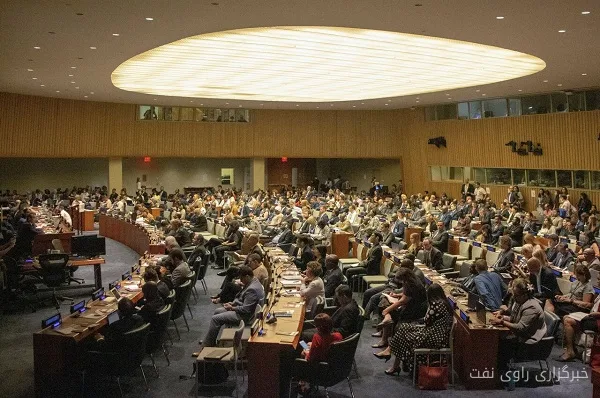
The 80th meeting of the BIMCO dry cargo network was held on October 8, 2026, where three ongoing safety challenges in dry cargo transportation were discussed: fire hazards from contaminated metal cargoes, the transfer of fumigation responsibilities from specialists to ship crews, and fatal incidents in confined spaces.
Fire Hazards from Scrap Metals
Network members emphasized the need for more accurate information regarding cargo, strengthening charter contract provisions, and practical measures to protect crews. In the previous meeting, the hazards posed by scrap metals were discussed, and members had differing opinions on whether the IMSBC Code adequately covers the various types of scrap metals.
Self-heating and oxidation can increase fire risks, especially when scrap metals are moved from open-air storage with drainage and ventilation to cargo holds, where compression can limit both.
This remains a challenge, and BIMCO continues to receive members' inquiries on this matter. Questions include the meaning of "as dry as possible," the increase in plastic, rubber, and flammable materials compared to the declared contamination percentage, and the impact of lithium batteries, including whether this introduces hazardous goods under class 9 of the IMDG code.
Transfer of Fumigation Responsibilities to Ship Crews
During the COVID-19 pandemic, travel and boarding restrictions sometimes prevented specialized fumigation contractors from traveling with or boarding ships at ports. As a result, some crew members were asked to perform activities typically carried out by specialists, including additional fumigation and disposal of used fumigants. This raised significant safety concerns, as the IMO guidelines generally stipulate that fumigants should only be managed by qualified operators, and several serious and fatal incidents have been associated with fumigation activities.
The Thorco Angela incident is a documented example where researchers concluded that COVID-19 restrictions likely prevented specialized fumigators from boarding, and the crew lacked training to perform these tasks. In a recent review of incidents, initial symptoms were attributed to COVID-19, and the identification of the actual hazard was delayed.
Members of the network were asked whether, post-pandemic, the operational responsibility for fumigated cargoes has been transferred to ship crews. Among the members who were able to respond, none had encountered a situation where authorities still allowed crews to perform fumigation activities instead of specialized contractors.
Hazards in Confined Spaces
Due to time constraints, the network had only a brief discussion on confined spaces to identify key topics for future meetings. These topics include reading gas detection meters, interpreting results, and best practices for training and drills. Members noted that despite increased awareness of the hazards of confined spaces and improved ability to assess the atmosphere, accident and fatality statistics do not appear to have improved.