The Russian government announced on Wednesday, October 3 (October 8 in the Persian calendar), that it has extended the diesel export ban for fuel producers until the end of October. This decision was made to curb rising prices and meet domestic needs, especially in the current turbulent energy market.
Reasons for Extending the Diesel Export Ban
Fuel shortages and rising global prices, particularly in the United States, are among the main reasons for extending this ban. The price of diesel in the United States has reached over $6.50 per gallon. This price increase poses challenges for Donald Trump, the President of the United States, especially ahead of the midterm elections in November.
Read more: Firefighters in Iran's oil fields face major challenges
Factors influencing this fuel shortage include the U.S. and Israeli regime's war against Iran, as well as the military conflict between Russia and Ukraine. These developments have led to pressure on fuel supply and prices in the global market.
Domestic and International Impacts
The RAC (Royal Automobile Club) has reported that diesel prices at fuel stations in the UK have reached their highest historical level due to these wars. This situation reflects the heavy and immediate impacts of this crisis on global fuel markets.
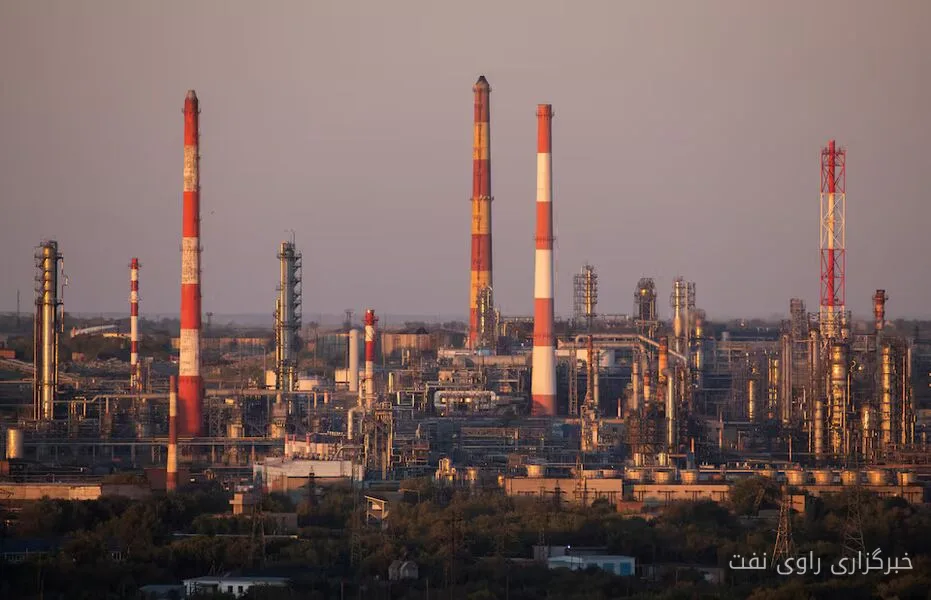
Russia, recognized as one of the largest diesel exporters in the world, is trying to prevent further price increases by limiting exports. The country has previously imposed several restrictions on gasoline and diesel exports due to internal crisis conditions and Ukrainian drone attacks on Russian energy infrastructure.
In late August, Moscow had extended the diesel export ban until the end of September, but some exports to specific countries continue due to intergovernmental agreements. Meanwhile, Russia had significantly reduced its exports during the summer season.
Overall, the extension of the diesel export ban by Russia reflects the country's efforts to control the domestic market and the growing demand for fuel. This decision, in the current context where the global energy market is affected by wars and political tensions, could have widespread consequences for prices and fuel supply in international markets.
Read more: Scorpio Tankers to sell three product tankers and purchase four new vessels · Supermax and Ultramax markets in the South Atlantic are strengthening