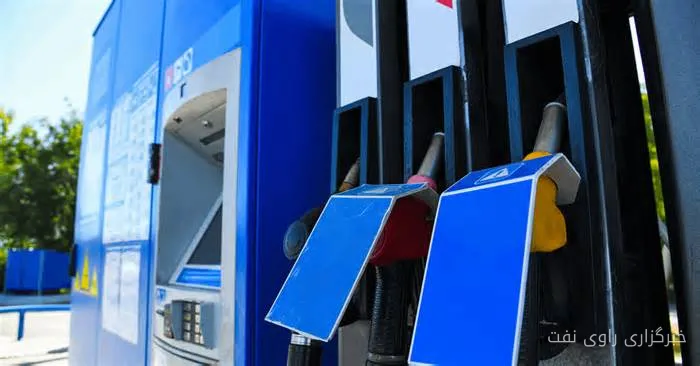
Russia has recently decided to extend its diesel export ban until the end of October 2023. This action takes place as demand for fuel increases ahead of the winter season in the Northern Hemisphere, and the global oil market faces new challenges.
Details of the Diesel Export Ban
The current diesel export ban includes more than 90 percent of total exports of this product, reflecting Russian officials' concerns about meeting domestic needs and maintaining prices in the domestic market. According to analysts, this decision could lead to an increase in global diesel prices and other fuels, especially as other countries also seek to secure fuel for the cold season.
Read more: Increase of 17,000 Barrels in Oil Production at the Shadgan Field
Economic and Political Consequences
This ban could have widespread impacts on the global energy market. European countries, heavily reliant on diesel imports from Russia, may face supply shortages and rising prices. Additionally, this decision could escalate political tensions between Russia and Western countries and directly affect crude oil prices.
Analysts believe that this action by Russia may be seen as part of the country's economic and political strategies to maintain its bargaining power in the global energy market. Furthermore, this decision could influence the energy policies of other countries and lead to changes in fuel consumption and import patterns.
As a result, the extension of the diesel export ban by Russia is considered a significant action in the global energy arena and could have substantial implications for global markets and international relations.
Read more: Petropars and Production of One Billion Cubic Feet of Gas from Phase 11 of South Pars · Retreat of Oil and Metal Prices in the Global Market



