The extraordinary El Niño is expected to raise winter temperatures in South Korea, Japan, and parts of China, which may reduce gas needs in these key LNG importing countries. This situation could assist Europe in receiving more LNG shipments, while the continent faces challenges in filling its gas storage sites.
Impact on Gas Storage in Europe
According to reports, the record-breaking El Niño in the Pacific is expected to bring warmer weather conditions to countries like Japan, South Korea, Vietnam, Taiwan, Thailand, and parts of China. These forecasts could be good news for Europe, where gas storage sites were only 73% full earlier this week, while the five-year average has been over 86%.
Read more: EIA Lowers Henry Hub Price Forecast Amid Limited Natural Gas Storage Conditions
Challenges and Future Predictions
Current forecasts also indicate that a slightly warmer winter in Europe, at least until January 2027, may ease the pressure on LNG import needs in Asia and Europe, especially as supply from Qatar has been severely disrupted due to the closure of the Strait of Hormuz. Unlike crude oil, LNG transportation at this critical juncture has not significantly improved, also due to technical limitations for ship-to-ship transfers in Oman and outside the Strait of Hormuz.
However, temperature fluctuations in East Asia are expected in February. Despite favorable weather forecasts for the upcoming winter, gas supply and prices in Europe and Asia remain influenced by developments in Middle Eastern conflicts. Prolonged disruptions in supply this winter could push LNG prices in Asia and natural gas prices in Europe to new levels, as competition for available supplies in the market has intensified.
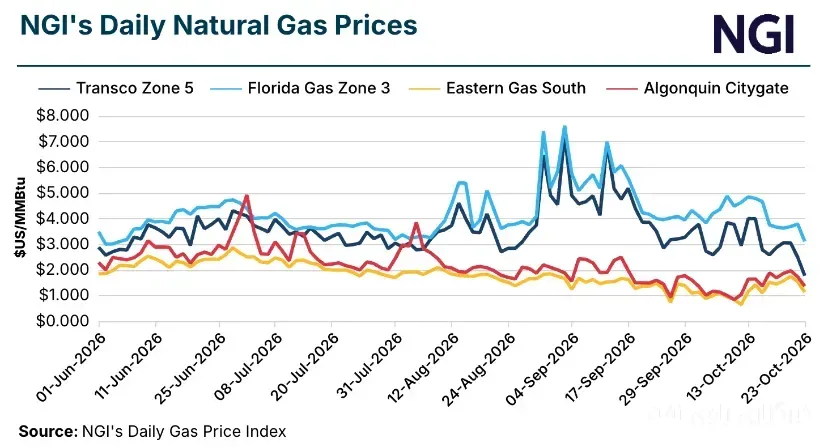
Earlier this week, natural gas prices at the Dutch TTF hub reached their highest level since early 2023, while gas volumes in storage sites have dropped to their lowest level since at least 2011.
Read more: Trump Defends Russian Diesel Export Agreement Amid Criticism · U.S. Natural Gas Prices Remain Below Profitability Levels