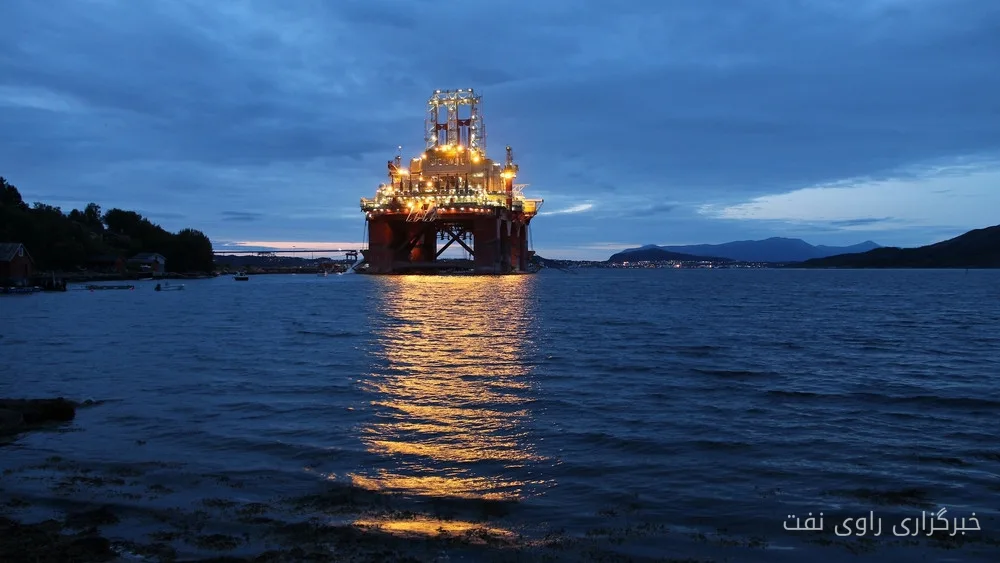
Rising oil and gas prices as a result of recent tensions in the Middle East have paved the way for new mergers in the North Sea sector of Britain. Analysts believe that the increase in prices, especially in the current economic conditions, has led companies operating in this field to seek new opportunities for mergers and acquisitions.
Factors Influencing Mergers
A recent survey conducted among analysts and bankers revealed that high oil and gas prices, particularly due to ongoing tensions in the Middle East, have increased the attractiveness of mergers and acquisitions in this sector. According to analysts, the tax pressures imposed on the oil and gas industry in recent years, especially taxes on unexpected revenues, have impacted companies' decision-making. Currently, the overall tax burden on companies operating in this field reaches 78%, which has compelled many companies to reduce their presence in the North Sea or sell their assets.
Read more: Dangerous Changes in Russian Satellites Increase Space Concerns
Company and Asset Status
Companies like Shell are still present in this region, but BP announced in July that it intends to sell all its assets in the North Sea. Currently, Shell and Equinor have merged their oil and gas assets into an independent company called Adura. Additionally, TotalEnergies has combined its assets with NEO NEXT, and this company is now 47.5% owned by Total.
Analysts believe that BP could receive up to $2 billion for its North Sea assets, which could further stimulate merger activities in the region. James McCormack, an analyst at Cavendish, stated that potential buyers are likely to be other companies active in the North Sea, and the value of transactions will depend more on infrastructure and tax synergies rather than just oil and gas reserves.
Meanwhile, the UK government has also announced its recent decision to establish the Jackdaw gas field, which could serve as an incentive for merger and acquisition activities in the North Sea. This decision indicates that energy security is a priority, while reducing greenhouse gas emissions is considered a secondary priority. The UK government has stated that in an unstable global environment, domestic energy can act as a source of national power.
Read more: Yemeni Armed Forces Conduct Six Military Operations Against Saudi Targets · Oil Prices Rise Due to Middle Eastern Tensions and Houthi Attacks