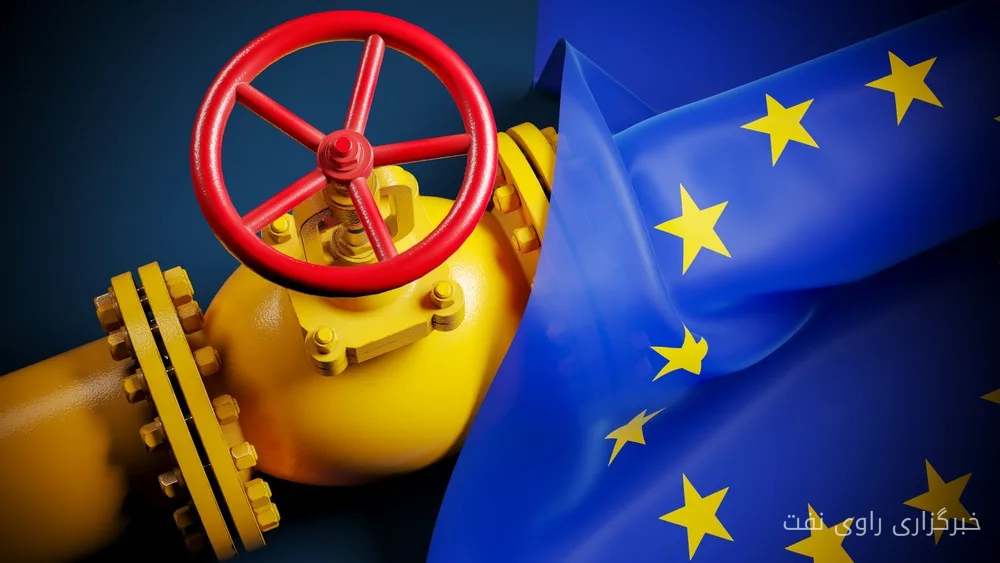
The current rise in oil and gas prices has created significant pressure on the prices of other goods and services in the Eurozone. According to Philip Lane, the chief economist of the European Central Bank, energy prices have a strong impact on the inflation rate, and this trend is expected to continue until mid-2027.
Inflation Forecast in the Eurozone
In an interview with a Swiss newspaper, Philip Lane stated that the inflation rate in the Eurozone is expected to approach the 2 percent target by the middle of next year. He also mentioned that this increase in prices is likely to lead to more persistent price increases. A second surge in energy prices will have negative effects on food, energy, and goods prices, although pressures on services are likely to remain under control.
Fuel Price Increases and Their Impact on Inflation
Fuel prices in the European Union have reached their highest historical levels. Since February of this year, gasoline prices have increased by an average of 29 percent, and diesel prices have risen by up to 40 percent. The European Central Bank has predicted that diesel prices will peak by October, but given the current supply constraints and the potential ban on diesel exports from the United States, this prediction may be overly optimistic.
Due to rising fuel prices, the energy inflation rate in the Eurozone reached 14.3 percent for the month of August. This price increase has raised growing concerns among Eurozone countries, as generally, services receive less attention when gasoline and diesel prices rise sharply.



