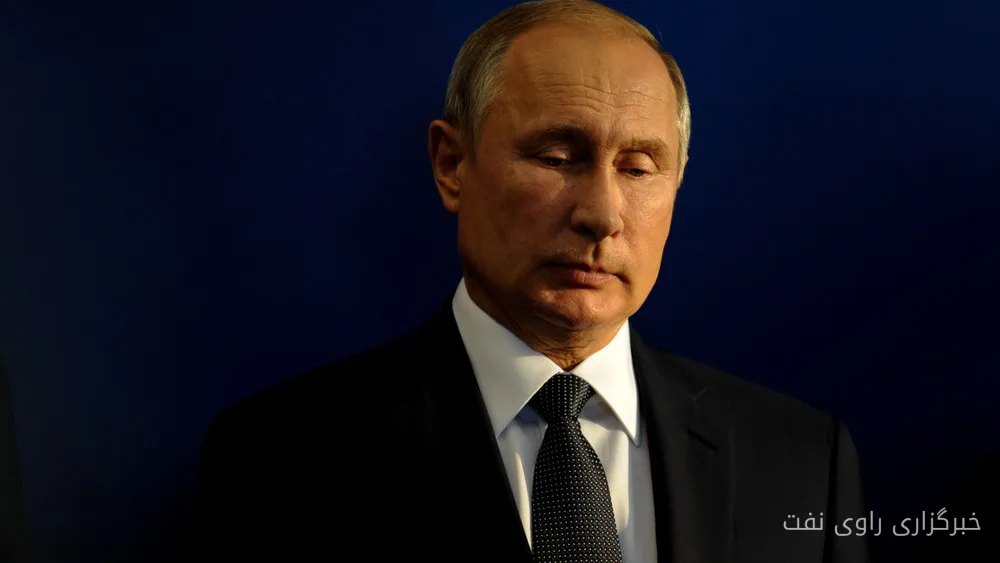
The United States government is examining the possibility of lifting sanctions on the Russian Direct Investment Fund (RDIF). Established in 2011, this fund serves as a financial resource for investing in key economic projects in Russia and is linked to Vladimir Putin, the President of Russia.
Background and Establishment of RDIF
The Russian Direct Investment Fund was established at a time when the country's economy was benefiting from high oil and gas revenues. The fund was created to finance key projects in various sectors including construction, communications, financial services, and healthcare. According to officials, RDIF has invested nearly 2.3 trillion rubles (approximately 29 billion dollars) since its inception.
However, the fund has been under strict scrutiny by American officials due to its close ties with the Kremlin and Vladimir Putin. In 2015, the Barack Obama administration imposed sanctions on RDIF due to the illegal annexation of Crimea by Russia.
Impact of Lifting Sanctions
U.S. officials are currently seeking ways to reach a peace agreement to end the war in Ukraine, and lifting sanctions on RDIF is one of the options being considered. This action could help facilitate relations between Washington and Moscow. Kirill Dmitriev, the CEO of RDIF, is recognized as the main liaison for negotiations with the American side, and Kremlin officials have also indicated that these negotiations are ongoing.
However, sanctions experts have expressed concerns about this move, viewing it as prioritizing American investments in Kremlin-related projects over support for Ukraine. Peter Harrell, a sanctions expert, has stated that lifting sanctions on RDIF could have serious consequences for U.S. policies towards Russia.
Ultimately, this issue presents a significant challenge for the U.S. government, as the decision to lift sanctions could have profound impacts on the political and economic situation globally.