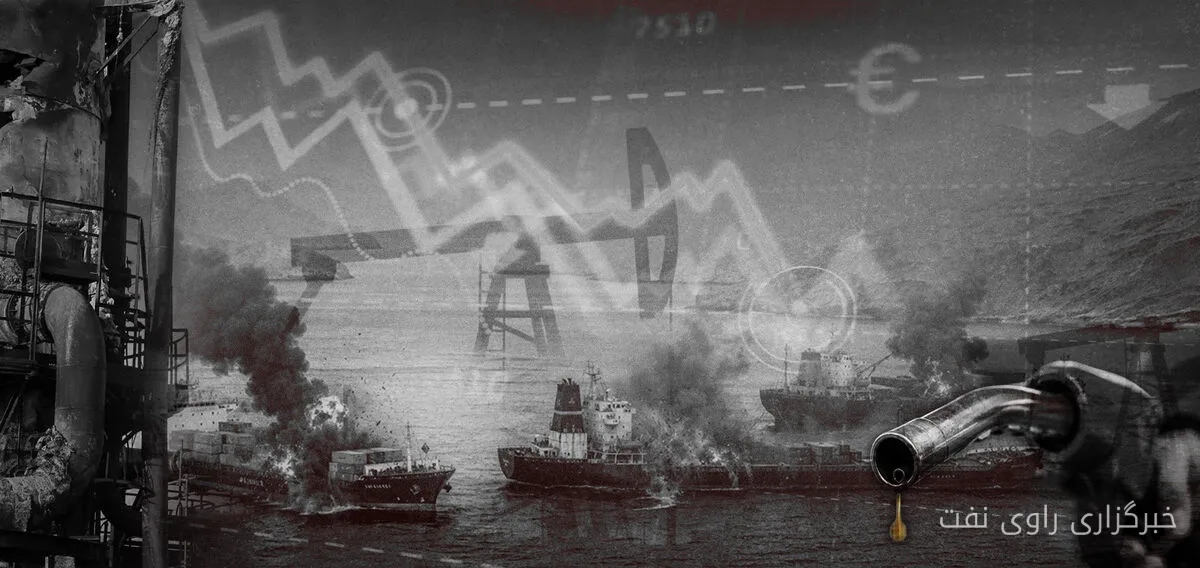
The return of crude oil exports to pre-war levels has failed to curb fuel prices. Damaged refineries, depleted reserves, and the high cost of passing through the Strait of Hormuz indicate that the end of disruptions in oil flow does not necessarily mean the end of the energy crisis.
Contradiction in the Global Energy Market
The global energy market faces a contradiction; crude oil is once again being exported in large volumes from the Persian Gulf, yet consumers continue to bear the heavy costs of war. Crude oil exports from Gulf producers, excluding Iran, returned to at least 16.5 million barrels per day in September, matching pre-war levels. However, fuel prices have not only failed to decrease but have seen further increases in some sectors.
Read more: OPEC+ Meeting Held on the Sidelines of the Saudi Conference
Rising Prices and Refinery Crisis
Brent crude rose from $72.48 on February 27 to $104.72 on October 9, indicating an increase of about 44.5 percent. During the same period, the average price of diesel at U.S. fuel stations increased from $3.81 to $6.20 per gallon, reflecting a growth of nearly 63 percent. This gap shows that the crisis is no longer just about crude oil prices; disruptions in refining, transportation, and distribution have imposed additional costs on the market.
The Strait of Hormuz and Transit Costs
The Strait of Hormuz is not just a transit route for oil; the cost of passing through it has also become one of the determining factors for energy prices. In early October, some tanker captains earned up to $100,000 per month and received bonuses of up to $50,000 for each trip. The war risk premium for a supertanker could reach $20 million. Additionally, the extra premium for ships passing through Hormuz has reached about 7.5 to 10 percent of the ship's hull value.
Supply Chain Challenges
Crude oil alone does not meet consumer needs. It must be refined into gasoline, diesel, and jet fuel. Damage to any link in the chain, even with access to crude oil, can lead to shortages in the product market. A September report from the International Energy Agency showed that exports of refined products and liquefied petroleum gas from the Persian Gulf remained at 3.7 million barrels per day, nearly 60 percent lower than February levels.
Market Message and Energy Future
The market message is clear; even if crude oil exports return to normal, a sustainable reduction in fuel prices is not guaranteed without the revival of refineries, replenishment of reserves, and a return to security in shipping. The war will recede from the global economy only when not just oil, but the entire supply chain for fuel production and delivery is operational again.
Read more: Ghadir Petrochemical Settled 80 Percent of Its Foreign Currency Commitments · Natural Gas Prices Drop Following Disruptions in the Appalachia Pipeline



