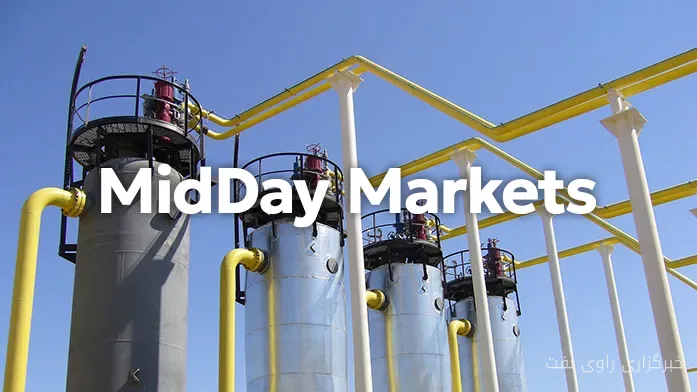
Natural gas prices in the futures markets for November lost some of their initial gains on Thursday, while cash prices in the Appalachian region fell sharply. This price drop occurred due to a major disruption in the pipelines and increasing selling pressure on winter contracts.
Pipeline Disruption and Its Impact on the Market
The pipeline disruption has significantly reduced cash prices for natural gas in Appalachia. This disruption is recognized as a key factor in the price decline and highlights the market's high dependence on energy transmission infrastructure. In this context, analysts predict that this disruption could have a profound impact on future natural gas prices.
Read more: Oil Prices Drop with Potential Easing of U.S. Oil Sanctions
Pressure on Winter Contracts
In addition to the pipeline disruption, selling pressure on winter contracts is also increasing. Given weather forecasts indicating a mild winter, demand for natural gas may decline. This could lead to further price reductions in the coming weeks. Statistics show that futures prices for natural gas have currently reached their lowest levels in recent months.
This situation indicates instability in the natural gas market and could have significant effects on producers and consumers. As a result, companies operating in this sector are expected to respond quickly and adjust their strategies to cope with these challenges.
Read more: Intensification of the Oil Market with Increased Tanker Attacks and Decreased Inventories · National Fuel Gas Announces Appalachian Natural Gas Production Separation Plan



