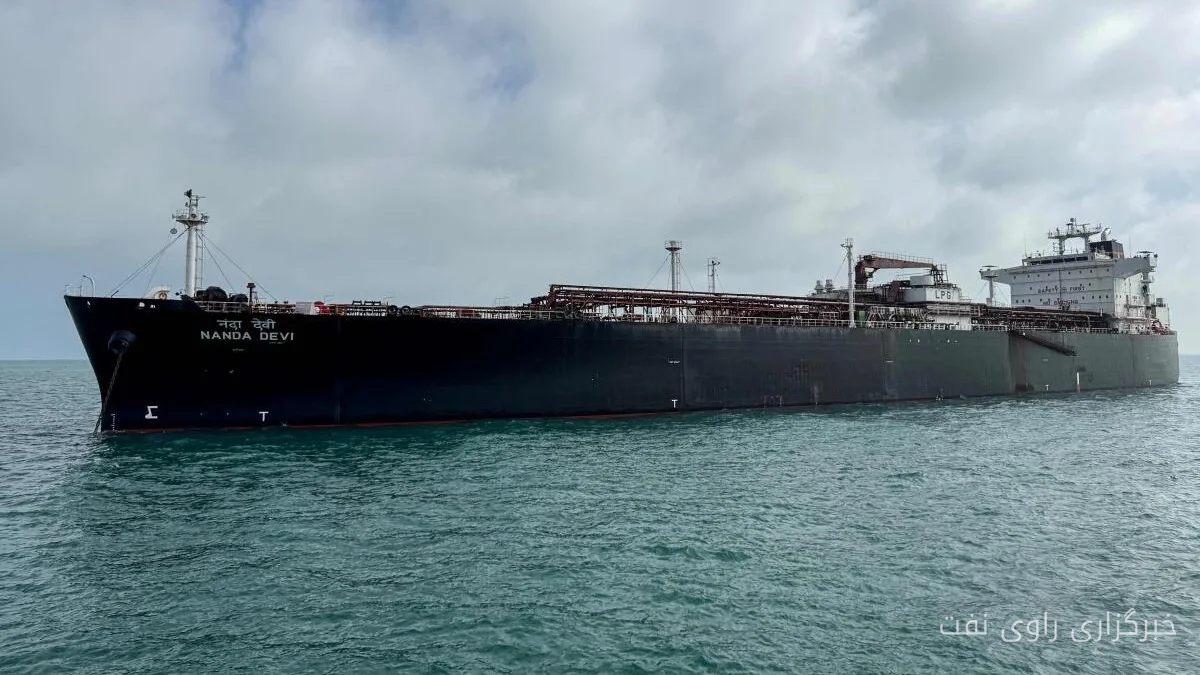
Leaders of the Group of Seven (G7) announced the release of 100 million barrels from emergency oil reserves following pressure from Donald Trump, the President of the United States. This program has been initiated through the International Energy Agency (IEA) and is expected to conclude in four months. This action comes as fuel prices in the United States have reached their highest levels, and Trump had threatened to ban diesel exports.
Details of the release and its impacts
Diesel prices in the United States have reached a new record, currently at $6.3151 per gallon. Meanwhile, gasoline prices are rising, reaching $4.3685 per gallon. According to reports, the G7 has requested that part of this release be carried out immediately within the first 20 days.
Read more: Indonesia Energy has started drilling well K-29 and is ready for drilling WK-5
According to available information, the International Energy Agency has announced that as of October 2, approximately 325 million barrels of the 400 million barrels have been released. This means that only 75 million barrels remain. Energy market analysts at Standard Chartered have noted that the market's reaction to this news has been weak, and it seems that this release is not seen as a new emergency measure, but rather an acceleration of the previously announced 400 million barrel release in March.
Forecasts and long-term impacts
Analysts have predicted that this release may help alleviate short-term pressures, but it cannot resolve fundamental issues in refined products. It is also concerning that Trump has promised not to enforce the diesel export ban, but this is viewed more as a political commitment than an unchangeable legal constraint.
This release is crucial to prevent a severe supply drop in Europe, as the United States supplies about half of Europe's diesel imports. However, there remains a need for further examination of the impact of this release on global oil and fuel prices, especially given that oil flows from the Strait of Hormuz are significantly lower than pre-war levels.
Read more: Changes in the board of directors of Qasem Iran Company with the appointment of Najafian and Gorji Zadeh · Forecast of a decrease in diesel prices following the ban on U.S. exports



