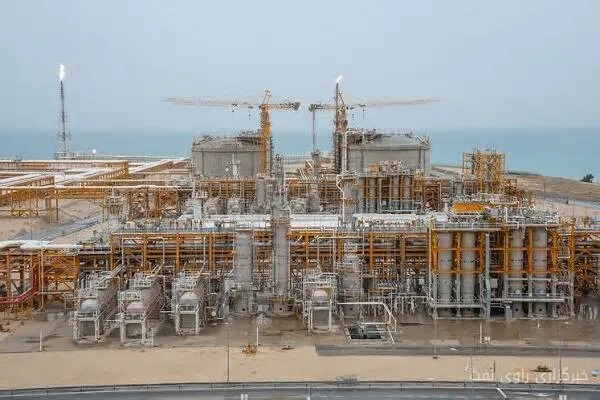
The country's refining and distribution industry is undergoing a transformative period; a time when efforts are being made to align this industry with the principles of "clean and value-added production." This new approach seems not only to improve fuel quality but also to act as one of the main components of energy resilience and supply chain security in the country.
Fuel Standardization; The Key to Energy Resilience
In recent years, attention to fuel standardization has increased as one of the main pillars of the country's energy strategies. Given environmental challenges and the need for sustainable resources, refining and distribution are striving to enhance the quality of produced fuel by implementing new standards. These changes clearly demonstrate the serious commitment of officials to reduce pollution and improve the quality of life for citizens.
Supply Chain Security; A Top Priority
Increasing resilience in the energy supply chain has been identified as one of the main priorities of this program. By implementing new standards, optimal resource management and reduction of risks arising from market fluctuations can be achieved. In fact, this approach not only seeks to meet the current needs of the country but also considers the future outlook.
Given these developments, it seems that refining and distribution can emerge as a successful model in the energy sector. In fact, the move towards clean and value-added production will not only benefit the refining industry but can also serve as a sustainable economic model for other sectors of the country.