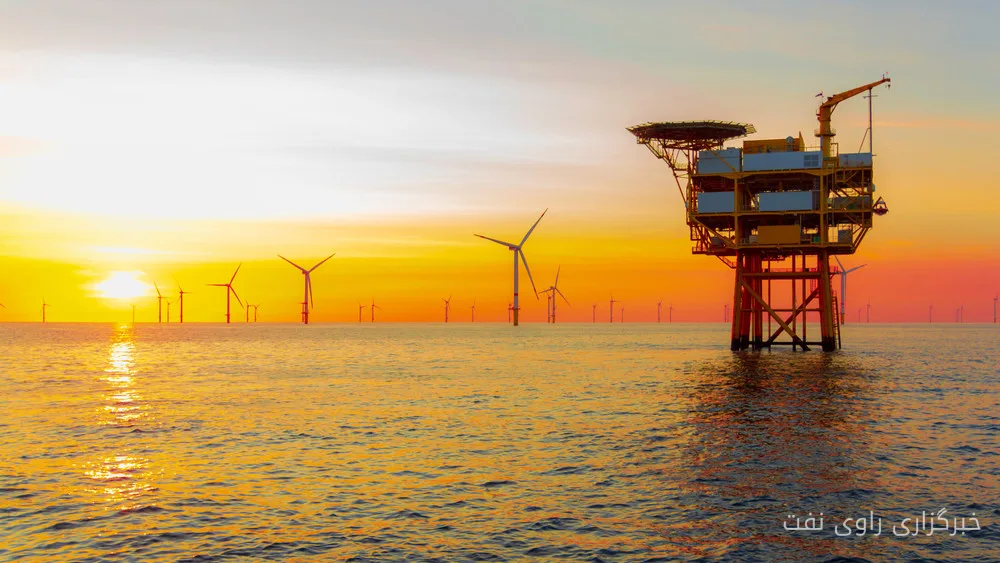
The European offshore monopile market has transitioned from concerns about insufficient production capacity to a period of weak factory utilization due to delays in wind projects and slow investment decisions. European manufacturers have heavily invested in larger facilities capable of supplying the XXL foundations needed for the latest generation of offshore wind turbines.
Increase in XXL Monopile Production Capacity
According to Rystad Energy, the production capacity of XXL monopiles in Europe is expected to increase from around 1.2 million tons in 2024 to 2.7 million tons by 2027. However, factory utilization is expected to be around 32 percent in 2026 and 2027, dropping to just 19 percent in 2028. Loading is expected to improve later in the decade, reaching nearly 50 percent by 2031 as more projects come online.
Read more: Changes in the balance sheet due to war risk harm fleet management
Impact on Production Costs and Profit Margins
The production of a representative monopile in Europe has been about 38 percent more expensive since March 2020, with production costs rising from $2.50 million to $3.46 million per kiloton. However, selling prices have decreased from their peak in 2022. For a representative 1.6 kiloton monopile, the profit margin for European suppliers has dropped from around $0.93 million in the 2024 reference scenario to about $0.20 million today, equivalent to approximately 3 percent of the selling price.
Competition in the market has significantly increased due to the entry of Chinese suppliers whose production costs are about 41 percent lower than the European reference. Currently, the production cost of a Chinese monopile is estimated to be around $2.03 million per kiloton. This cost difference allows Chinese suppliers to respond more flexibly to European projects.
The monopile market remains dominated by local manufacturers, with Sif accounting for about 31 percent and EEW for about 22 percent of the contracted monopile tonnage. However, there are long-term risks that the current production surplus may not be sustainable, as monopile factories have high fixed costs.
Read more: Changes in Persian Gulf oil exports due to the Hormuz crisis · TotalEnergies secured $1.8 billion from GIP for African assets