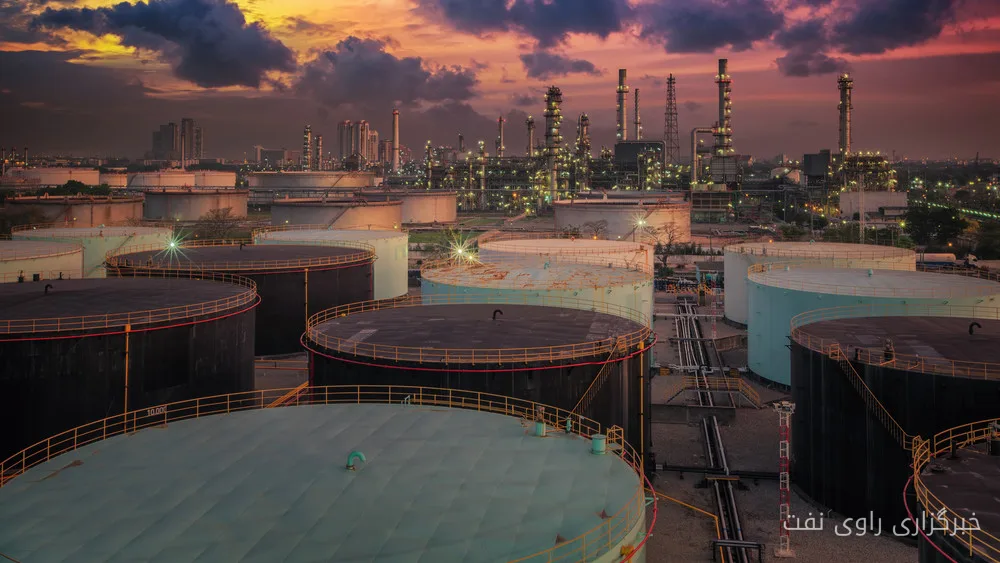
The United States has achieved record crude oil production in recent years. According to the U.S. Energy Information Administration (EIA), crude oil production is expected to average 13.8 million barrels per day by 2026, the highest figure ever recorded. However, despite this production record, diesel prices have reached historic highs, and diesel inventories are unusually low.
Diesel Supply Chain Challenges
The U.S. Energy Information Administration has forecasted that diesel inventories will remain below the five-year average in 2027, with inventories dropping below 100 million barrels for the first time in over two decades. This situation seems contradictory: if the U.S. is producing more oil than ever, why can't refineries produce more diesel? The answer is that crude oil and diesel are not interchangeable commodities. Crude oil must pass through a refinery to be converted into diesel, gasoline, jet fuel, or other petroleum products.
Read more: Decline in Brent Crude Oil and WTI Prices in Recent Transactions
Diesel Production Constraints
A 42-gallon barrel of crude oil processed at a U.S. refinery typically produces about 19 to 20 gallons of gasoline and 11 to 13 gallons of low-sulfur diesel. In 2025, diesel accounted for about 30% of total production at U.S. refineries. However, refineries cannot simply adjust diesel production based on high prices. Refineries are complex systems of distillation towers, catalysts, and processing units, each designed to process a specific type of crude oil and product market.
Currently, U.S. refinery capacity is operating near 96% of its limit. In the third quarter of this year, refineries operated at an average of about 96% of their capacity. Nevertheless, spare capacity is hardly available, and essential maintenance cannot be postponed. U.S. refining capacity has gently declined, and according to EIA reports, crude oil refining capacity is expected to reach about 18.2 million barrels per day at the beginning of 2026, which is about 250,000 barrels per day less than last year.
Global Diesel Crisis
The diesel problem in the U.S. is not limited to the country. Diesel inventories in the United States have fallen below the five-year average since April, while significant supplies from the Middle East, Russia, and China have decreased. U.S. refineries have responded to this situation by increasing exports to the global market. Net diesel exports have approached the highest five-year level. Meanwhile, Russia has limited fuel exports due to attacks on parts of its refining system, and production and transportation at Middle Eastern refineries have been disrupted due to current tensions with Iran.
These developments, along with reduced refining capacity in Europe, have led to a significant increase in global diesel demand. European refining capacity has decreased from about 17.5 million barrels per day to about 14.4 million barrels per day over the past 15 years, increasing reliance on imported refined products. In such a situation where several traditional suppliers are facing constraints at the same time, buyers are competing fiercely to meet their needs.
Read more: Equinor Discovers New Gas in the Southern Gulfax Field · Reduction in Natural Gas Heating Costs in Winter 2023 with Important Exception



