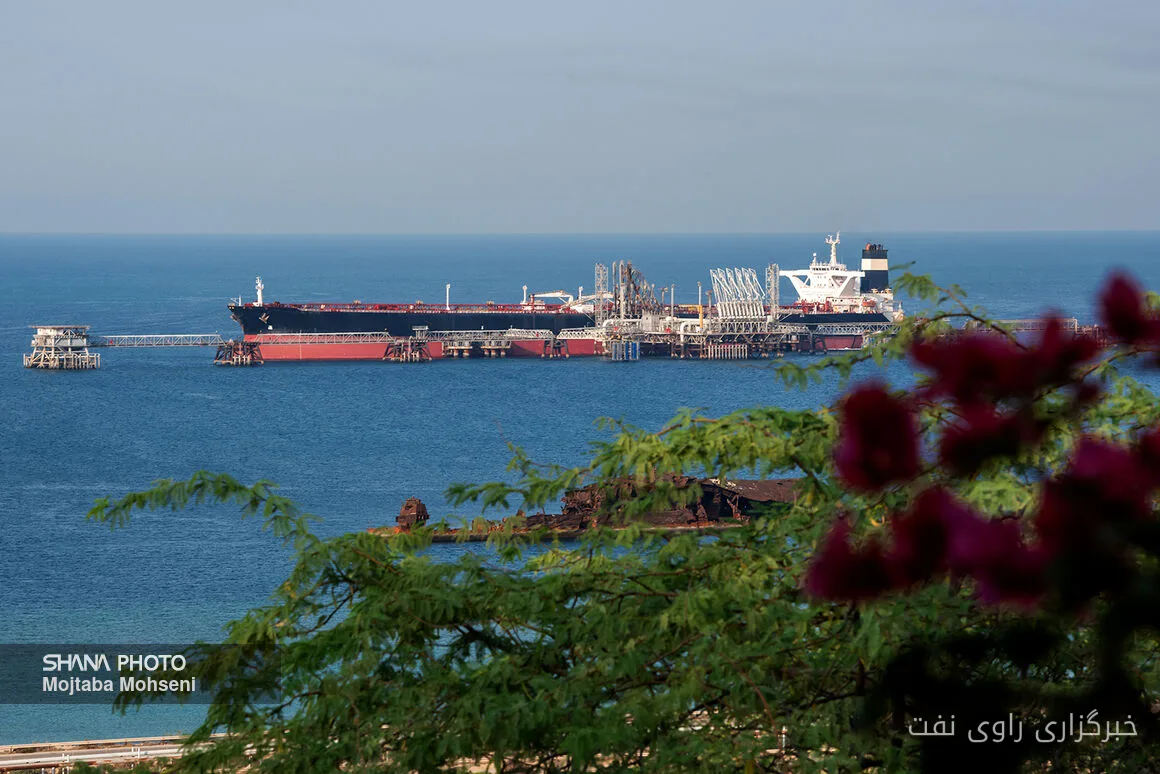
The Petroleum University of Technology is developing a roadmap for ship fuel standards. Mohammad Reza Khosravi Niko, the president of the Petroleum University of Technology, emphasized the necessity of adhering to the regulations of the International Maritime Organization (IMO) in an interview with Shana news agency, stating: "New standards in the field of ship fuels, sulfur content, and carbon emissions could impact the fuel production and consumption chain in the country in the coming years."
Gathering Expert Opinions
Khosravi Niko added: "To this end, the Petroleum University of Technology has invited relevant organizations, including the Shipping Organization, the Environmental Protection Organization, and the Ports Organization, to gather their expert opinions on the requirements and challenges ahead."
Read more: The Return of Sails to the Maritime Transport Industry with Wind Power Technology
Targeting the Future
The president of the Petroleum University of Technology continued: "Our goal is to determine, using the perspectives of relevant entities, what position Iran should hold in the field of maritime standards and ship fuels over the next 10 years and what actions need to be taken to achieve this position."
He also referred to the process of forming international regulations regarding carbon emissions, stating: "Today, the carbon emissions of fuels used in ships are a matter of concern in international forums, and this issue could evolve from a standard to some form of obligation and restriction in the future."
Khosravi Niko emphasized: "If future obligations are not identified and planned for now, there may be restrictions on the country's produced fuel and related maritime transport activities in the coming years."
The president of the Petroleum University of Technology clarified: "By developing this roadmap, the university aims to identify the necessary position for the country, the technical requirements, and the necessary actions to comply with future standards so that Iran is adequately prepared before any potential restrictions are imposed."
The International Maritime Organization (IMO) is the specialized agency of the United Nations responsible for international shipping, focusing on maritime safety, preventing pollution from ships, and developing international regulations and standards. One of the most important regulatory frameworks of this organization is the International Convention for the Prevention of Pollution from Ships (MARPOL), with Annex VI addressing air pollution from ships and the quality of marine fuel.
Read more: Sea Company Unveils AI Assistant Cora to Improve Maritime Contract Management · Petroleum University of Technology Launches Specialized Center to Address Technical Challenges in Oil Production