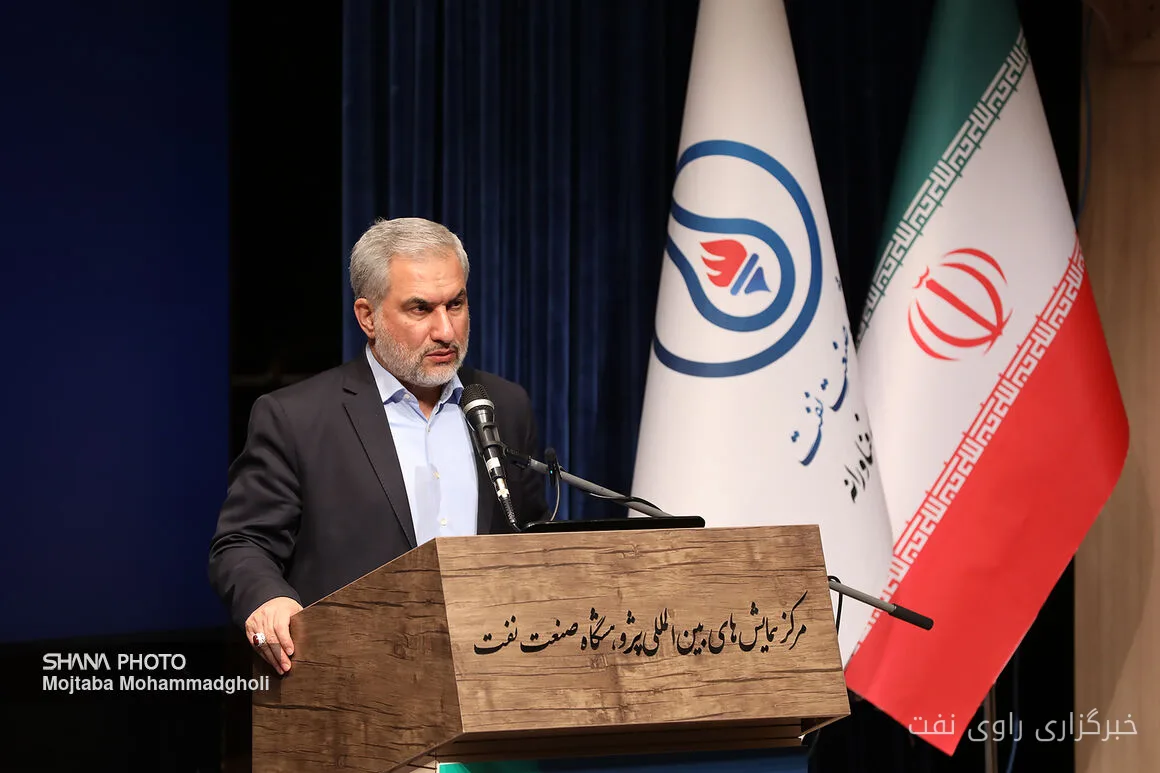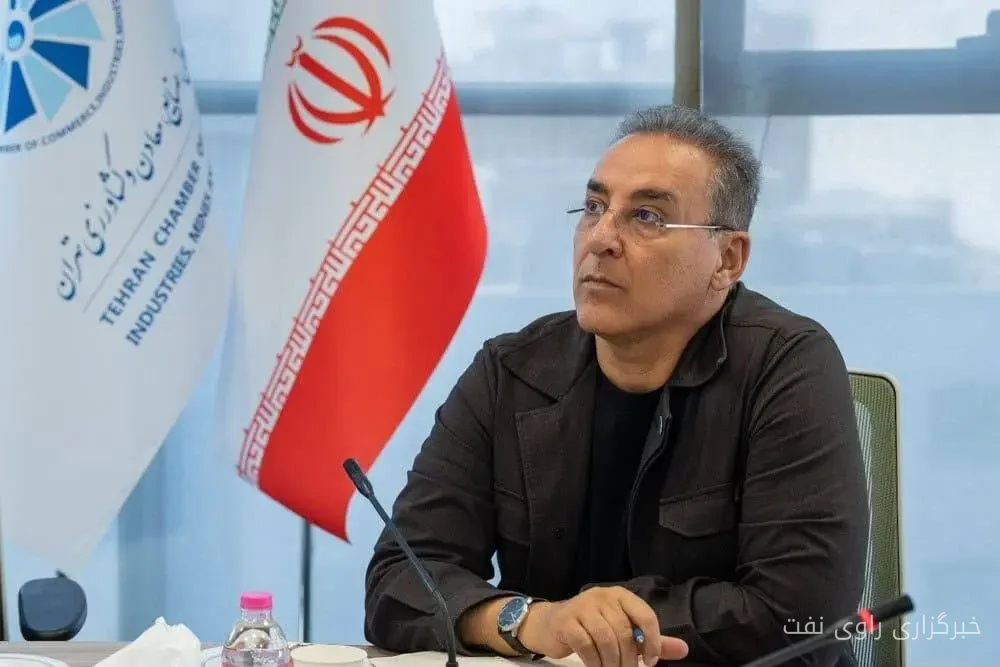
Peiman Sanandaji, president of the Factoryless Producers Association of the Tehran Chamber of Commerce, stated regarding factoryless production or modern production that this approach is not intended to replace industry and manufacturing; rather, it acts as a complementary layer to activate existing capacities, reduce fixed investments, and shorten the time to market for products.
Reduction in Production and the Importance of Factoryless Production
Sanandaji pointed out a 4.6% reduction in production in the first quarter of 1405, attributing this decline to the growth of GDP excluding oil. Additionally, this report mentioned a negative 10.1% growth in GDP including oil and a 14.7% decline in the industrial and mining sectors. According to him, the state of the industrial sector is even weaker than the overall economic picture, which underscores the importance of factoryless production.
Read more: Trump's Economic Advisors' Analysis on Diesel Export Ban
Change in Production Model
Sanandaji further explained that under normal circumstances, individuals or companies typically start their production journey by purchasing land, constructing factories, and buying machinery. However, currently, heavy investment has become the main obstacle. Factoryless production allows companies to produce their products using existing capacities without the need to build new factories.
He also referred to the state of the petrochemical industry, stating that according to published statements, by 2025, about 22% of the installed capacity of this industry, which is 97 million tons, will be unused. A shortage of feedstock is cited as one of the main factors for this capacity shortfall. Sanandaji emphasized that factoryless production cannot solve the problems of feedstock, electricity, and raw material shortages, but it can be efficient for capacities that are technically ready for production.
Development of the Factoryless Production Ecosystem
In conclusion, Sanandaji pointed out the legal and institutional issues related to factoryless production, stating that the biggest obstacle in this area is the lack of clarity in contracts and responsibilities. He noted that factoryless production in Iran is moving towards legal formalization, and in this regard, the Ministry of Industry, Mine, and Trade has developed guidelines to support outsourced production. He stressed that to realize this model, clear answers must be provided to key questions so that factoryless production can be widely implemented in Iran.
Read more: DP World Emphasized the Importance of Resilience in Maritime Trade · Global Energy Companies View Venezuela as a Trini LNG Opportunity