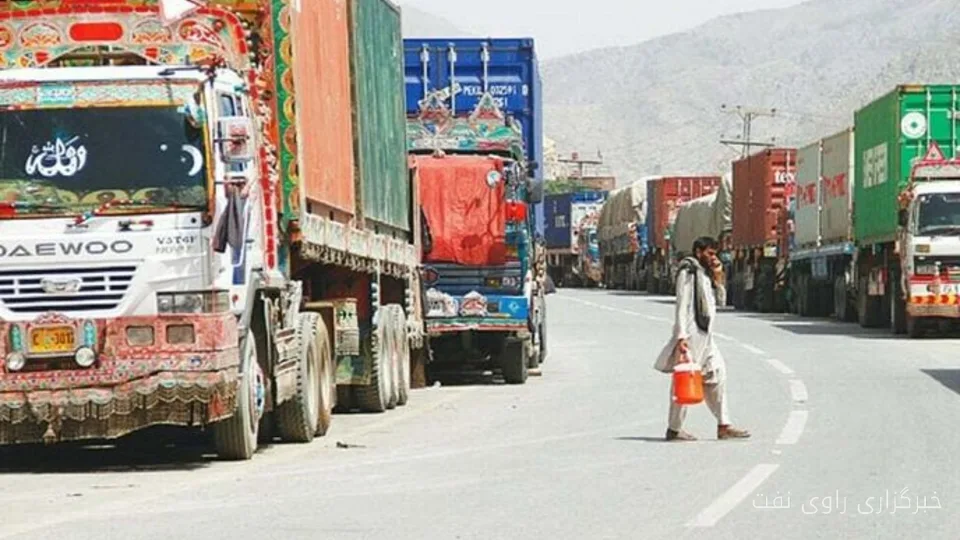
The opening of the Wakhan land corridor in Afghanistan, approximately 121 kilometers long, connects the Broghil area in Badakhshan province to the border with China. Afghan officials consider this corridor an important step for the development of trade and economic relations. However, the full utilization of this route will depend on the establishment of complementary infrastructure and conditions for the official passage of goods from the Chinese border.
Opportunity to Strengthen Transit Links
This development is particularly significant for Iran and necessitates a reassessment of the regional economic connectivity map. The development of Wakhan could help change Afghanistan's trade routes and expand this country's connections with China. Instead of viewing this route as an unavoidable competitor, Iran can consider it part of a larger network of land communications that provides new capacities for economic cooperation among regional countries. This issue takes on more serious dimensions in the context of the maritime blockade imposed on Iran.
Read more: Pakistan Faces $1 Billion Cost for LNG Supply in Winter
Trilateral Cooperation with Afghanistan and China
Iran can utilize this corridor to strengthen transit links with Afghanistan. The development of the Khaf-Herat railway connection, improvement of roads leading to border crossings, and enhancement of customs services can solidify Iran's position in Afghanistan's trade. If Iran's transport network is coordinated with active routes in Afghanistan and Central Asia, Iranian companies will be able to develop regional cargo transport, warehousing, clearance, and distribution services.
Additionally, Iran can raise the issue of connecting Afghanistan's transit routes to Iran's transport networks and developing joint logistics services in regional economic discussions. This cooperation could improve Iranian traders' access to new markets and create opportunities for the export of industrial products, petrochemicals, construction materials, and consumer goods.
However, to capitalize on these opportunities, Iran must realistically consider the existing obstacles. The mountainous geography of Wakhan, challenging weather conditions, and China's security considerations are among the serious barriers to turning this road into a busy trade route. Furthermore, the lack of customs facilities and necessary infrastructure on both sides of the border indicates that the gap between the opening of the road and the start of extensive trade is still significant.
Read more: Strengthening Iran's Ports as a Leverage Against Energy Sanctions · Fortescue Iron Ore Sales Decline Due to Crisis with Chinese Buyer



