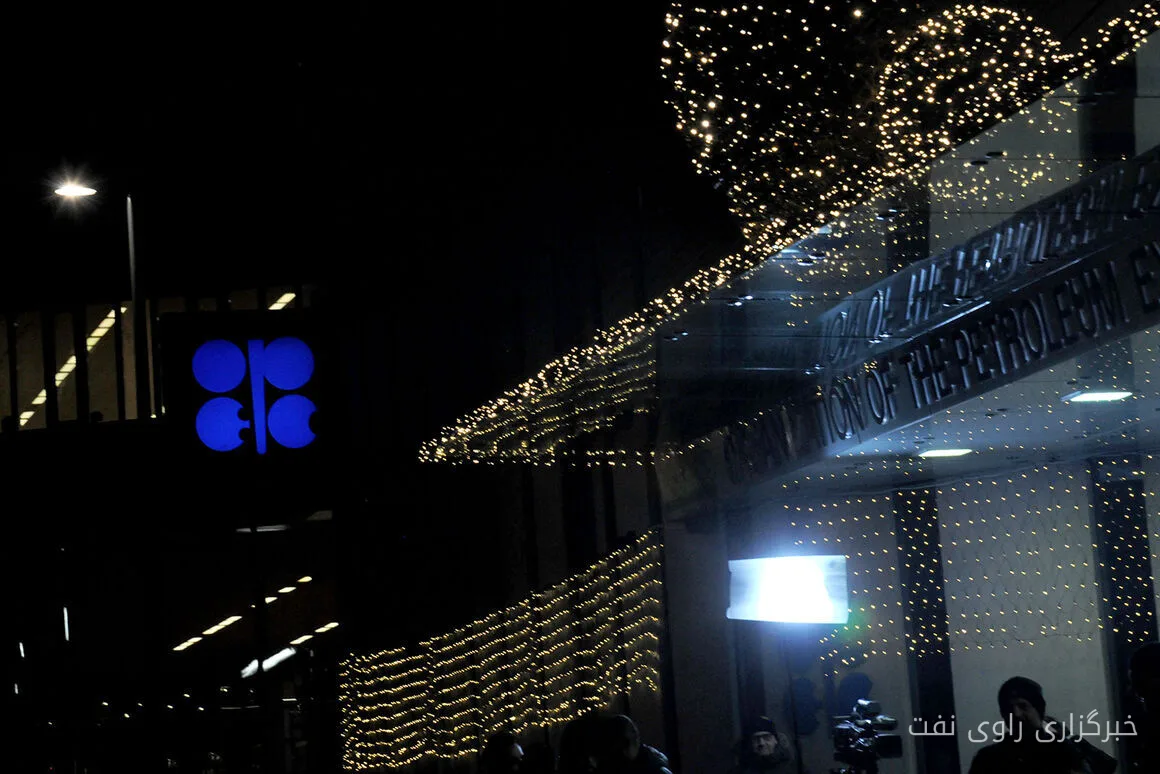
OPEC was established in September 1960 in Baghdad with the specific aim of ensuring reasonable market stability. The five founding countries were determined to establish a fair order in the global economy. An order that would secure the interests of producers and consumers and create predictable conditions for investment. Over the past 66 years, this organization has repeatedly emerged successfully from major crises, from the nationalization of oil in most member countries and the shocks of the 1970s and 1980s to the price collapse in 2014 and 2020.
OPEC's New Challenges in the Era of OPEC+
Today, in the era of OPEC+, OPEC's mission has become more complex than in the past. OPEC has experienced frequent entries and exits from what was once a 13-member organization. From the exits of Gabon and Ecuador in the 1990s and then Indonesia in the 2000s to Qatar and the United Arab Emirates more recently. Over time, with the increase in global demand on one hand and the emergence of new producers on the other, OPEC's decisive share has diminished. In the 1990s, global oil demand was close to 60 million barrels per day, with OPEC supplying 27% of that. Today, global oil demand is close to 104 million barrels per day, and OPEC's share, without allies, is less than 20% of that.
Read more: Iraq Takes Threat of Leaving OPEC Seriously
Structural Developments and the Need for Cooperation
The joining of many large and small producers to the logical and necessary discipline of the OPEC organization has made it possible to establish stability in the global energy market after the COVID-19 crisis and the sudden drop in a significant portion of global demand. However, OPEC member countries and allies are facing increasing domestic demand. By 2025, OPEC+ consumed about 40% of its oil production domestically. Meanwhile, the main factor for insufficient investment in the upstream sector has been the illegal U.S. sanctions against the oil industry of major producing countries.
At the heart of the complex architecture of the global oil market and the OPEC organization, the role of five fundamental and large countries is more important than ever: the Islamic Republic of Iran, Saudi Arabia, Iraq, Kuwait, and Venezuela. These countries hold a massive volume of proven reserves in the world and are players with the most experience in market management. Their behavior determines the direction of the market.
Strengthening bilateral and multilateral cooperation among Tehran, Riyadh, Baghdad, and Caracas is more than just a slogan; it is a technical necessity. This convergence sends two messages to the market: 1) The message of stability: that supply decisions are made based on collective wisdom and not destructive competition. 2) The message of responsibility: that the major members are willing to bear the cost of stability so that the entire market remains safe from fluctuations.
Read more: Russia Imported 172,000 Tons of Fuel from India in August · Silence of Tankers in the Strait of Hormuz: Is Oil Security in Danger?