Oil prices in global markets have faced a decline as traders pay attention to diplomatic developments in Iran and efforts to reduce tensions in the Persian Gulf. These developments, especially after the upcoming important elections in Iran, could have significant impacts on the energy market.
Impact of Elections on the Oil Market
The elections in Iran, which will be held soon, could directly affect the country's energy policies. Iran, as one of the largest oil producers in the world, with a daily production capacity of about 4 million barrels, plays an important role in global energy supply. Changes in leadership and domestic policies could lead to shifts in oil export policies and international interactions of this country.
Read more: Maritime fuel supply situation in the ports of Singapore and Malaysia
Reduction of Tensions in the Persian Gulf
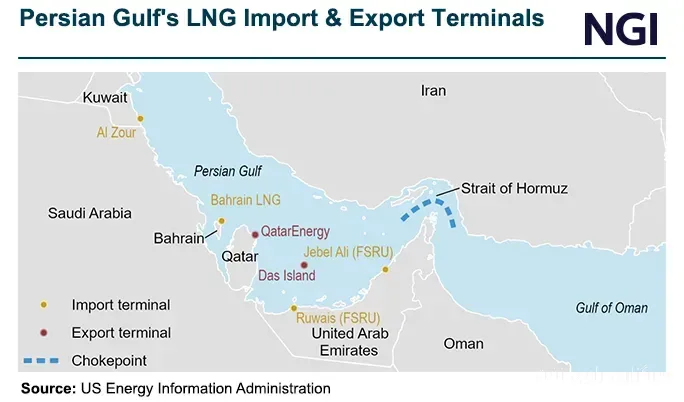
Efforts to reduce tensions in the Persian Gulf are another factor contributing to the decline in oil prices. With increasing diplomatic dialogues and the possibility of improved relations between Iran and neighboring countries, hope for increased stability in this region has emerged. This could lead to an increase in oil supply and a decrease in prices in global markets.
However, traders remain concerned about oil price volatility, especially in a situation where political and economic developments in the Middle East are rapidly changing. The oil market, due to its high dependence on political and economic factors, is always subject to sudden changes.
Currently, the price of Brent crude oil is around $75 per barrel. Meanwhile, the price of U.S. crude oil (WTI) is also trading at around $71 per barrel. The recent price declines reflect traders' concerns about the future impacts of political developments in Iran and other countries in the region.
Read more: Leaders' meeting of the Gas Exporting Countries Forum reached important agreements · Transformation in India-U.S. cooperation in the oil and energy sector