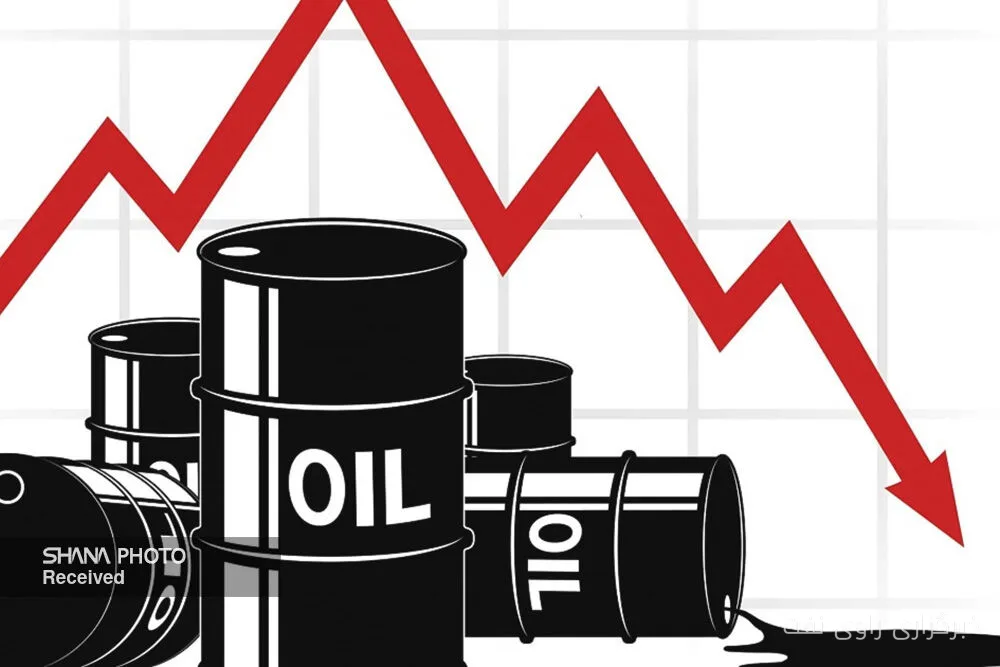
The average price of the Organization of the Petroleum Exporting Countries (OPEC) oil basket reached $111.04 per barrel last week, indicating a decrease of $10.40 compared to the previous week. The Brent crude oil benchmark also fell by $3.07, trading at $102.72, while the West Texas Intermediate (WTI) crude oil benchmark dropped by $8.46 to $93.91.
Conflicting Forces in the Oil Market
Analysis of daily price trends shows that the oil market was caught between two conflicting forces this week. On one hand, signs of diplomatic efforts to reduce tensions in the Middle East and an increased likelihood of a partial return of maritime trade flows exerted downward pressure on prices. On the other hand, operational restrictions on oil and product transportation routes, along with rising transportation and insurance costs, provided support for prices.
Read more: Nehbendan Petrochemical is the first project of the Persian Gulf Holding in the east of the country
Strait of Hormuz Situation and Saudi Oil Exports
The Strait of Hormuz, as one of the key variables affecting the oil market, saw the daily passage of commercial vessels drop to less than 10, while the 10-day average had reported around 18 vessels. Aramco loaded approximately 14 million barrels of crude oil onto seven supertankers, and Saudi oil flow through the Strait of Hormuz averaged about 2.9 million barrels per day in the six days leading up to September 22, compared to about 700,000 barrels per day in August.
Saudi oil exports have also increased to about 5 million barrels per day, and Iraq, Kuwait, and the UAE have tried to maintain their export flows using available capacities. The total oil passage through the Strait of Hormuz during the week under review was reported to be around 33.7 million barrels.
However, the limited capacity of alternative routes is considered a significant factor in the market. The East-to-West pipeline in Saudi Arabia, with a daily transfer capacity of 7 million barrels of oil to the Red Sea terminals, has faced disruptions following previous attacks. The cost of war risk insurance on alternative routes in the Red Sea has also nearly reached the level of the cost of passage through the Strait of Hormuz.
On the demand side, China and other Asian economies played a significant role in moderating market pressures. According to data, China has kept its oil imports about 3 million barrels per day below the seasonal pattern. Nevertheless, Asia's crude oil imports in September reached about 23.96 million barrels.
In the petroleum products market, the shortage of diesel has become one of the key factors affecting the market. The retail price of diesel in the United States reached about $6.52 per gallon last week, and the refining margin for diesel has increased to about $95 per barrel.
Read more: Omid Shakri is drafting a support package for the reconstruction of damaged petrochemical units · Brent oil price reached $100.02



