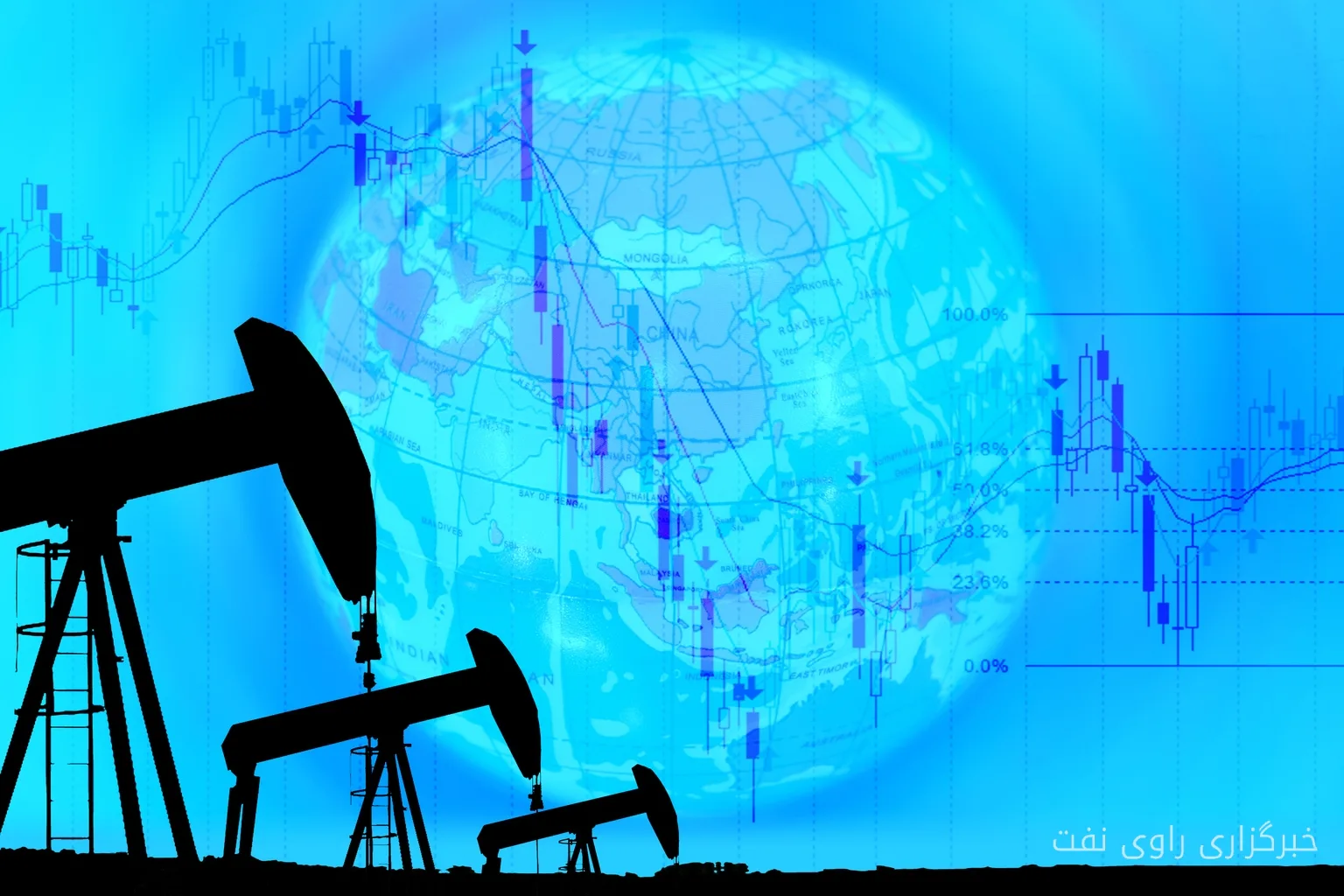
In today's world, oil is not just an energy source, but has become a key player in geopolitics and economics. According to new data released from the "Beige Book" report, we are witnessing moderate growth in the U.S. economy that could impact oil prices.
The Impact of Oil on Global Inflation
Global oil prices clearly indicate rising inflation. Given the recent fluctuations in the energy market, economists predict that these changes will affect not only oil prices but also the cost of living and economic growth. In fact, any increase in oil prices could lead to higher production costs and consequently an increase in the prices of goods.
The Future Outlook for the U.S. Economy
The moderate growth of the U.S. economy, alongside rising oil prices, could pose serious challenges for policymakers. While some analysts believe that economic growth could lead to reduced dependence on oil, others are concerned that rising oil prices may bring about economic depression. Especially as the global economy seeks to recover from the COVID-19 pandemic.
The fact that oil acts as a key resource in geopolitics and economics indicates that oil-producing countries can influence the economic and political decisions of consumer countries. Therefore, changes in oil prices can be seen as a predictive indicator for global economic conditions.
Ultimately, it seems that the future of the global economy, and particularly the U.S. economy, is heavily dependent on fluctuations in the oil market. Policymakers must carefully monitor these trends to respond in a timely manner and prevent negative repercussions.