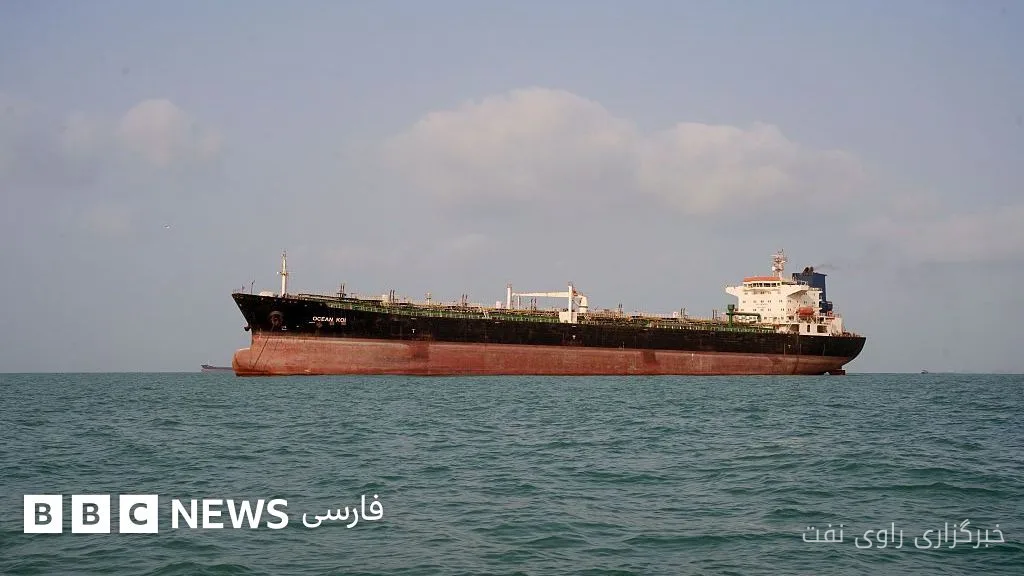
The decrease in Iran's oil revenues by 100 billion dollars following the U.S. maritime blockade has raised significant concerns among economic analysts. This blockade, seen as a strategic move by the United States, has severely impacted Iran's oil exports and placed the country's economic outlook in a critical state.
Dimensions of the Blockade and Its Impacts
According to statistics, Iran's oil production capacity has sharply declined in recent years from 4 million barrels per day to less than 1 million barrels. This, along with economic sanctions, has placed Iran in a vulnerable position, unable to finance its developmental projects.
Read more: Petrochemicals in the Challenge of Economic Resilience: Can They Cope?
This severe production decline due to export restrictions has significantly reduced Iran's foreign currency revenues. Specifically, this blockade has led to a reduction of about 100 billion dollars in Iran's oil revenues over the past few years. These figures reflect the major challenges facing Iran's economy.
Economic and Social Consequences
The economic impacts of this blockade extend beyond the reduction in oil revenues and have gradually spread to other economic sectors as well. With a significant decrease in oil revenues, the Iranian government is facing serious challenges in financing construction and social projects. This issue could lead to increased unemployment rates and public dissatisfaction.
Furthermore, due to the reduction in financial resources, the government will be forced to adopt austerity measures and raise taxes, which in turn could increase economic pressure on vulnerable segments of society. Therefore, this blockade affects not only Iran's oil economy but also all social and economic aspects of the country.
Read more: More Power for Aberdeen in Burnham's First Speech · European Central Bank Warning: Continued High Prices Threaten Euro Consumption