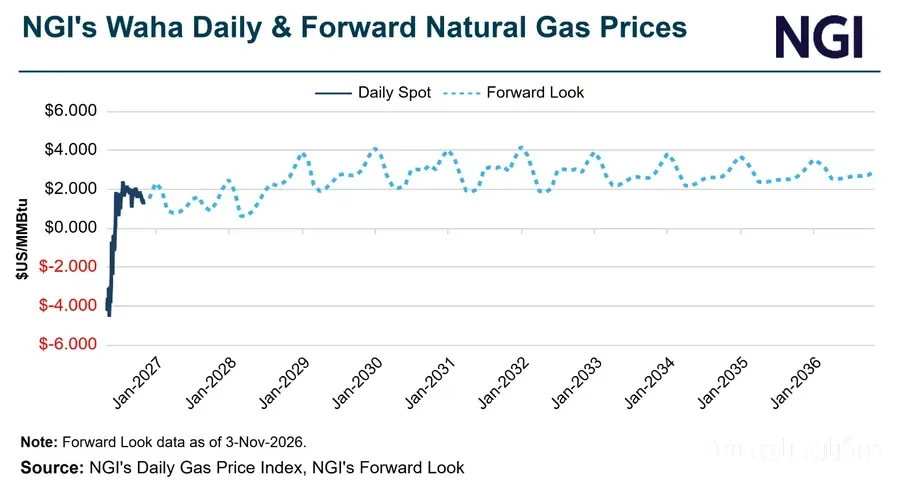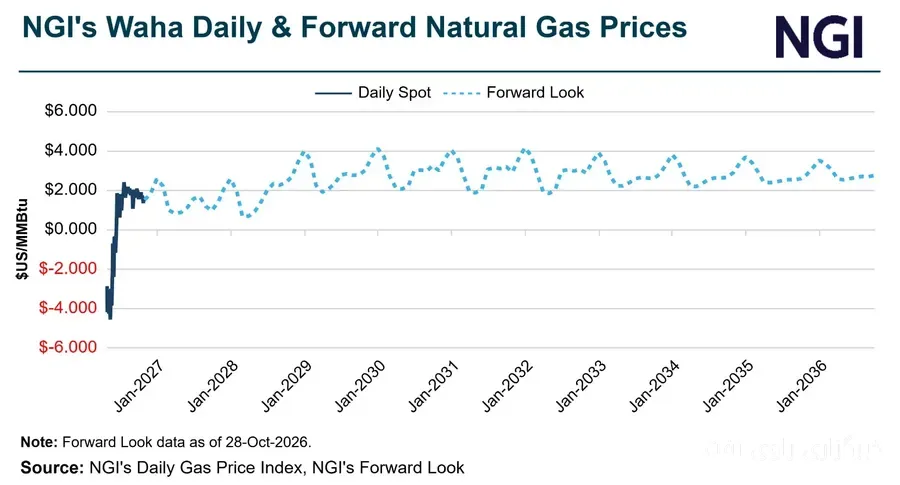
Waha natural gas prices, which are recognized as a price benchmark for natural gas in the Permian Basin, may face new pressure from late next year. This pressure arises from constraints on the capacity of outbound pipelines to the east.
Analysis of Current Pipeline Capacity Situation
The Permian Basin, one of the largest sources of oil and natural gas in the United States, has always been recognized as a key area for natural gas supply. However, the increase in natural gas production in this region, especially in recent years, has highlighted the need for the development of necessary infrastructure to transport these resources to consumer markets.
Read more: IRGC Targets 7 Violating Oil Tankers in the Strait of Hormuz
According to reports, the existing pipeline capacity is currently unable to fully meet market demands. This issue, especially next year when natural gas production in this region is expected to increase, could lead to serious challenges.
Impacts on Prices and the Market
Given the capacity constraints, Waha natural gas prices may come under pressure and potentially lead to increased volatility in the market. This situation could have direct impacts on gas supply for industries and consumers, especially in areas that are heavily reliant on natural gas.
Furthermore, capacity constraints could lead to structural changes in the natural gas market. Producers may have to seek new ways to transport gas to various markets, which could incur additional costs and ultimately lead to higher prices for consumers.
Overall, the current situation of pipeline capacity in the Permian Basin is recognized as one of the key factors influencing Waha natural gas prices. As we approach next year and the likelihood of pressure on these prices increases, the need for close monitoring of infrastructure conditions and future developments in this area becomes more pressing.
Read more: China's Petrochemical Surplus Decreases Due to Oil Flow Disruption · Natural Gas Futures Stabilize at $3 Level