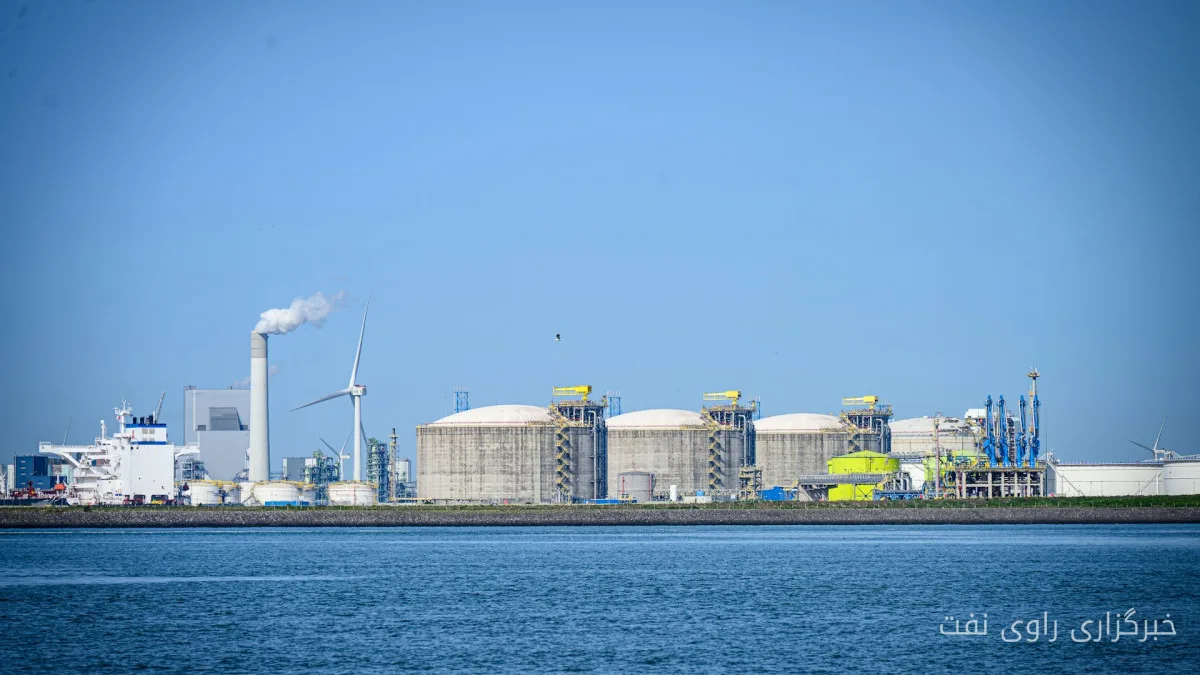
The Netherlands, citing a cost of $1.14 billion (€1 billion) for securing gas reserves this summer, has called for the removal of the EU gas storage requirements. The Dutch Minister of Environment, Stientje van Veldhoven, stated in a letter to the country's parliament that the burden of these requirements should fall more on the companies active in the gas market.
Challenges of Gas Storage in the Netherlands
The Netherlands is recognized as a relatively small gas consumer in the EU, but as an important natural gas hub and the location of the EU's gas futures market (TTF). According to Dutch officials, the current EU regulations regarding mandatory storage levels are determined more based on storage capacity rather than consumption.
Read more: Iron ore prices in China drop to 710 yuan due to weak demand
Impact of Rising Prices on Storage
The gas storage filling season in spring and summer this year has been extremely challenging and costly for EU member states due to rising natural gas prices. This price increase has followed tensions arising from the Iran war and restrictions on LNG transportation from the Strait of Hormuz. This situation has created a backwardation structure in European gas prices, indicating concerns about immediate supply.
Weeks ago, the Dutch gas network operator announced that the country might not be able to meet its goal of filling gas storage sites before winter. This is the first documented sign that Europe may struggle to secure enough gas for a harsh winter.
Germany, the largest economy in the EU, is considering expanding key market incentives to encourage traders to increase gas storage levels before winter. The country, with the fourth-largest natural gas storage capacity in the world, continues to face challenges in filling this capacity. According to provided data, Germany's storage capacity was only 57% full as of September 24.
This level is historically low, and if this winter is colder than previous years, Germany will face the risk of gas shortages.
Read more: Achieving the goal of 35% electrification by 2035 with support from Iran and the USA · Strengthening natural gas prices in the Southeast USA at the start of October trading week



