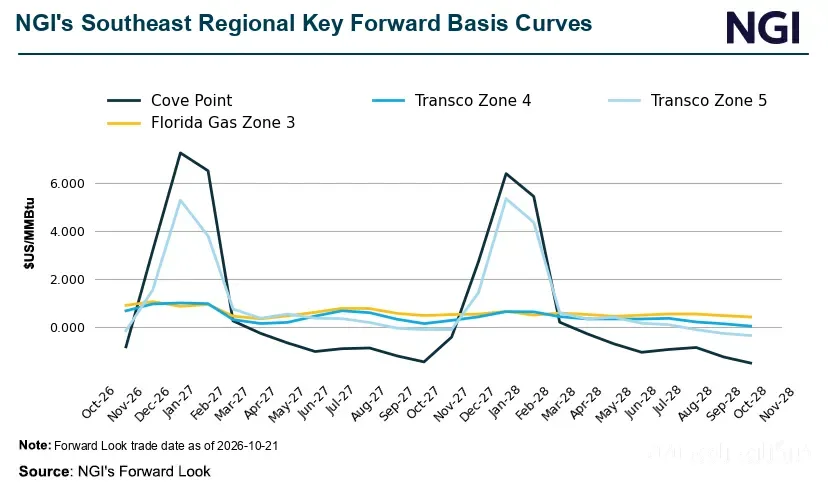
The decline in natural gas futures prices in the United States is due to weak weather forecasts and steady natural gas production. As winter approaches, it seems that current weather conditions are negatively impacting prices, although positive long-term signals may lead to price increases in the future.
Impact of Weather Forecasts
Weather forecasts indicate that temperatures in some areas may be unexpectedly mild, which leads to a decrease in demand for natural gas for heating. For example, in regions like the Northeast United States, higher-than-normal temperatures could reduce the need for natural gas, thereby putting downward pressure on prices.
Steady Natural Gas Production
In addition to weather forecasts, natural gas production is also steadily increasing. According to reports, natural gas production in the United States has reached about 100 billion cubic feet per day. This increase in production, primarily due to drilling activities in gas fields such as the Permian shale and the Appalachian field, helps stabilize prices and reduces the likelihood of price increases in the future.
However, some analysts believe that there are long-term bullish signals in the natural gas market. Factors such as increased demand for liquefied natural gas (LNG) in global markets and concerns about new investments in production infrastructure could lead to price increases in some regions. These signals can help investors and producers make better decisions regarding the production and sale of natural gas.
Ultimately, the current state of the natural gas market represents a significant turning point in the energy industry. Given the weather changes and increased production, we may soon witness more volatility in natural gas prices. Therefore, a thorough analysis of these factors seems essential for economic and business decision-making in this industry.
Read more: Reza Ghanji Arjanki appointed CEO of Sabalan Petrochemical · Change in natural gas reserves in Eastern America towards shortage



