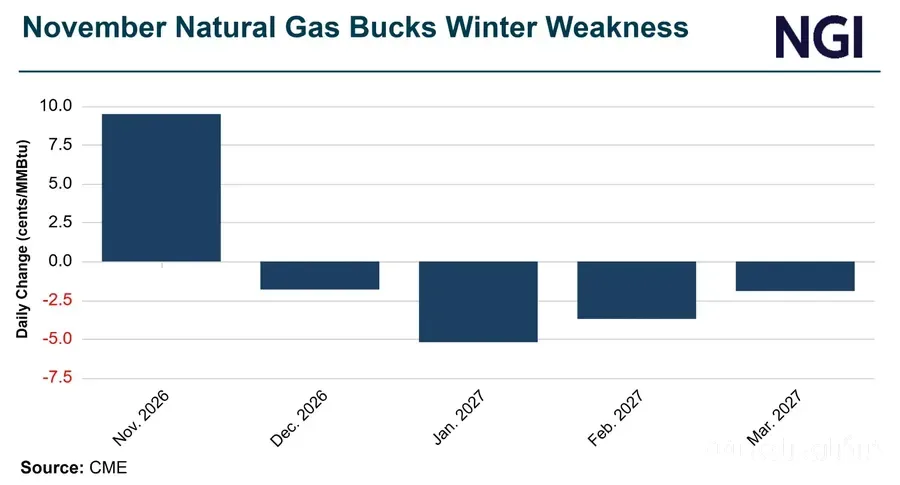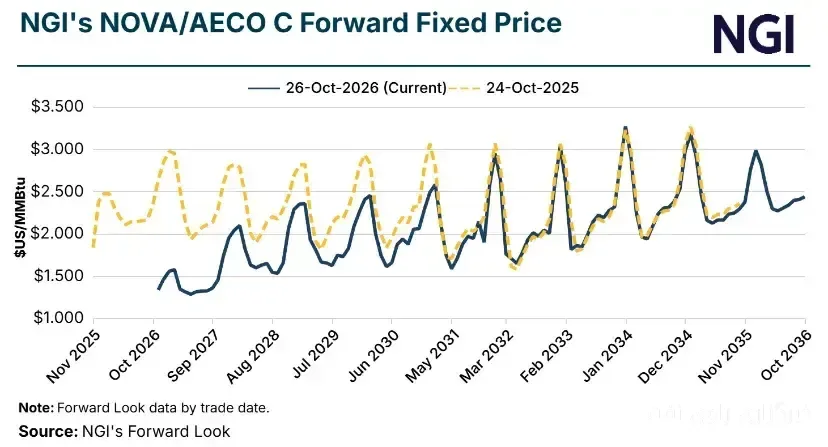
Natural gas prices in Western Canada have sharply declined due to increased production, massive reserves, and transportation constraints. As summer approaches, the provinces of Alberta and British Columbia (BC) are facing an oversupply that has contributed to falling prices.
Unprecedented Production and Its Effects
Natural gas production in Western Canada has reached a record 18.5 billion cubic feet per day. This level of production is particularly evident in Alberta, one of the largest natural gas producers in Canada. However, demand for these resources has not kept pace with production levels due to unfavorable economic conditions and forecasts of reduced energy needs in the winter.
Read more: Baltic Sea Shipping Index Drops to Lowest Level in a Week
Accumulated Reserves and Infrastructure Challenges
Natural gas reserves in storage have reached 3.2 trillion cubic feet, which is above the five-year average. This situation has put additional pressure on the market from the supply side. Additionally, infrastructure constraints and a lack of pipeline capacity to transport this amount of gas to consumer markets have exacerbated the issue.
For example, the TransCanada pipeline, one of the most important gas transportation routes in Canada, has faced technical issues and delays in development projects. This could lead to price increases in the near future, but for now, the impact of these problems has not yet been fully felt in the market.
Experts believe that if natural gas production continues in this manner, prices may drop even further. In this regard, some analysts predict that natural gas prices could fall below $3 per million BTU during the winter season.
Read more: 25-Point Drop in Baltic Index on October 27, 2026 · Philip Meshlbila Emphasized Energy Security and Resilience at the GECF Meeting