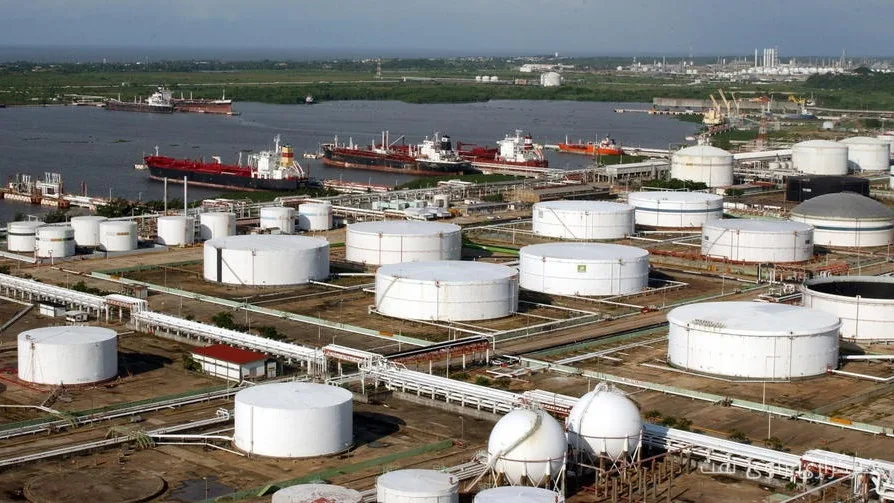
The oil market is currently influenced by two main factors: increased attacks on tankers and decreasing oil inventories. These two factors have raised concerns in the global oil market, and analysts are examining various aspects of this issue.
Attacks on Tankers and Their Impact on the Market
Recently, reports have emerged of increased attacks on tankers in sensitive and strategic areas. These attacks, which primarily occur in the Persian Gulf and the Mediterranean Sea, have in turn heightened concerns about the security of oil supply and consequently led to fluctuations in oil prices.
These attacks have particularly affected tankers carrying crude oil from the Guyana oil field in South America to global markets. Given the production capacity of this field, which is about 1.4 million barrels per day, any disruption in the supply of these resources could have profound impacts on prices and global oil supply.
Decreasing Oil Inventories and Its Consequences
In addition to attacks on tankers, decreasing oil inventories are also recognized as an important factor in tightening the oil market. According to published statistics, crude oil inventories in the United States have reached their lowest level in the past year, standing at 421 million barrels. This decrease in inventories has occurred due to increased global demand and disruptions in production from some countries.
Analysts predict that if this situation continues, oil prices may rise significantly. Furthermore, given the decrease in inventories and increasing demand, oil-producing countries will likely be compelled to increase their production to meet market demand.
Overall, recent developments in the oil market indicate a complex and unstable situation that requires closer monitoring and more detailed analysis. Analysts are carefully tracking existing trends to provide accurate forecasts for the future of the oil market.



