Fundamental changes in the natural gas market in Canada, especially in the western region of the country, can lead to new constraints. Greg Stanton, Vice President of Capital Markets at Tourmaline Oil, discussed these developments and their effects on the gas market in an interview.
Structural Changes in the Natural Gas Market
The natural gas market in Canada is undergoing major changes due to structural changes. These changes have arisen from increased demand for natural gas in the United States and also from declining production in some gas fields. According to reports, natural gas production in the Whitehouse gas field, which is considered one of the key fields in Canada, has significantly decreased. The production capacity of this field has reached 1.2 billion cubic feet per day.
Factors Affecting the Natural Gas Market in Canada
Several factors influence the natural gas market in Canada. Among these factors is the increasing need for natural gas in the industrial and residential sectors of the United States. According to forecasts, demand for natural gas will reach 100 billion cubic feet per day by 2030. These changes will not only affect prices but will also lead to changes in the way gas is supplied and distributed.
Stanton also pointed out the challenges facing natural gas producers in Canada, stating: "Producers must deal with environmental challenges and changing government policies regarding energy. These issues can impact production activities."
Consequences and Solutions
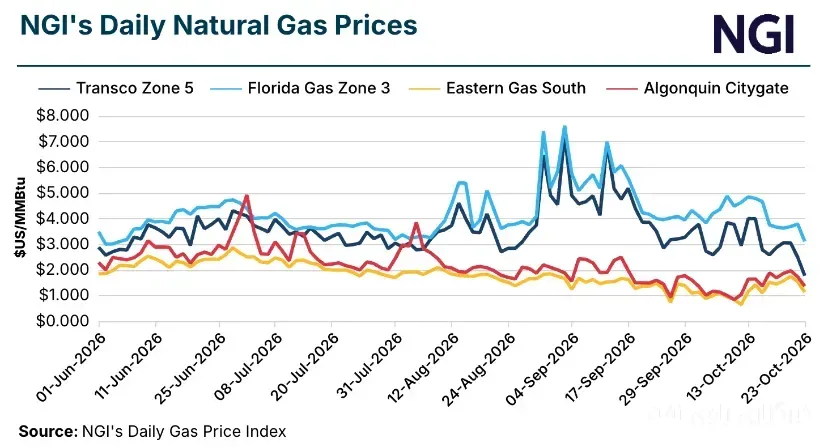
The constraints created in the natural gas market in Canada can lead to price increases and unpredictable fluctuations. To address these challenges, producers must adopt new strategies for optimizing production and reducing costs. Additionally, international collaborations and investment in innovative technologies are also of great importance.
Ultimately, given the structural changes in the natural gas market in Canada, it is essential for all stakeholders, including the government, producers, and consumers, to reach a common understanding of the existing challenges and opportunities.