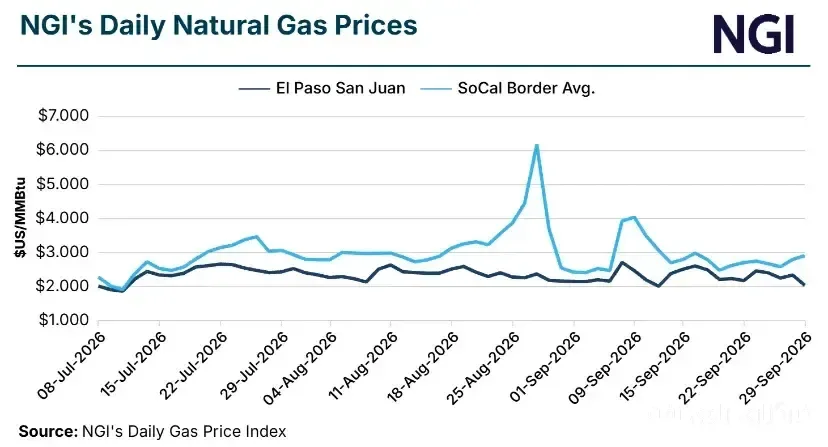
Natural gas prices in the cash market faced a decline on Tuesday. This decrease occurred due to the arrival of Polo storm remnants in the Four Corners region of the United States. The Polo storm, which formed in the Pacific Ocean, brings heavy rainfall and potentially flooding to this area, which could impact gas demand for cooling.
Weather Impacts on Gas Demand
Heavy rainfall from the Polo storm could lead to a decrease in natural gas demand for air conditioning systems. Particularly in areas severely affected by heat, these weather changes may result in reduced gas consumption in residential and commercial sectors. Currently, forecasts indicate that this situation could lead to a drop in natural gas prices.
Read more: Iran's Talks Relieve Pressure on Rising Oil Prices
Natural Gas Market Status
Considering the weather developments, analysts predict that natural gas prices may experience fluctuations in the short term. Currently, prices have dropped to around $2.50 per million BTUs (MMBtu), indicating a negative shift in the market. Meanwhile, the level of natural gas reserves in the United States is also increasing due to reduced demand and increased production.
Experts have concluded that these changes could have long-term effects on the natural gas market. With the rise of shale gas production and climate changes, the natural gas market faces new challenges. Additionally, with predictions of rising temperatures in the summer season, demand for natural gas may increase in the coming months, which could lead to a resurgence in prices.
Read more: Hamidreza Taqafi Announced Record Gas Production from Phase 11 of South Pars · Canada's LNG Export Capacity Doubles After Phase 2 Shell Approval



