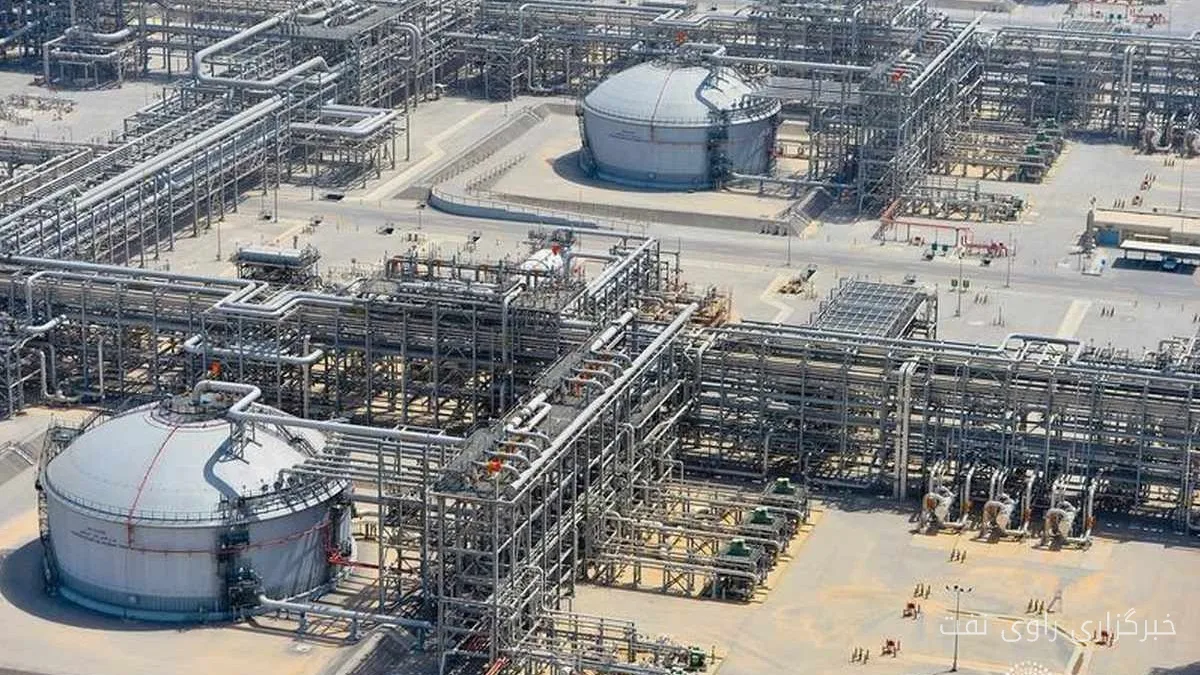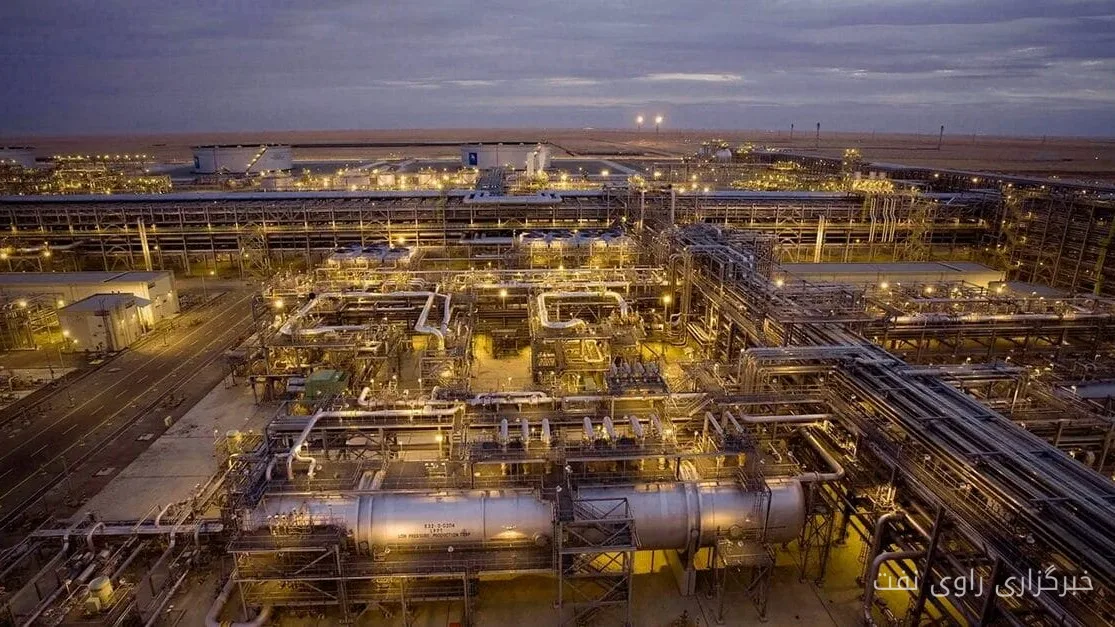
The National Oil Corporation of Libya (NOC) is threatening to declare force majeure after the halt in production at two oil fields. This production halt occurred due to the closure of a valve on a main pipeline in the Hamada-Zawiya crude pipeline by members of the oil facilities security force.
Production Halt and Its Effects
Production has completely stopped at the Hamada and Tahara oil fields, as well as at a pumping station. The oil facilities force has announced that there may be a partial production reduction for a week in several other fields, including Wafa, Al-Khums, and Al-Feel. If their demands are not met, it may lead to a complete halt in production.
Read more: Closure of the East-West pipeline in Saudi Arabia due to multiple attacks
Demands of the Oil Facilities Force
The oil facilities force is demanding a financial and administrative transfer from the Libyan Ministry of Defense to the National Oil Corporation and has also requested a timeline for completing this transfer. The National Oil Corporation has stated that if the closed valve is not reopened or if similar halts occur in other oil fields, it may declare force majeure.
Libya is currently seeking to increase its oil production. The country's production has reached nearly ١.٤ million barrels per day, the highest level in over a decade. NOC aims to increase its production to ١.٦ million barrels per day by the end of ٢٠٢٦ and to ٢ million barrels per day by the early ٢٠٣٠s. To achieve this goal, foreign investment of between $٣٦ to $٤٠ billion is needed.
International companies are also returning to the Libyan oil market. This year, the country has signed exploration and production-sharing contracts with Repsol, Turkish Petroleum, Eni, Qatar Energy, and MOL. BP, Shell, Exxon, and Chevron are also pursuing a return to this market. The National Oil Corporation has also received $٢ billion from Libya's ٢٠٢٦ budget to support its production programs.
The existing problems in this industry are so longstanding that fields that still have the capacity to produce more oil are always at risk of damage from those who control the valves.
Read more: Forecast of rising crude oil prices due to Middle East tensions · OPEC and its key role in global oil governance