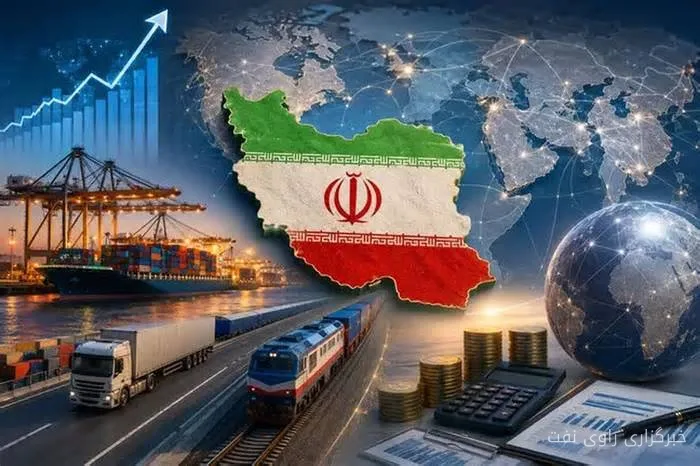
Arash Najafi, Head of the Energy Commission of the Iran Chamber of Commerce, emphasized the necessity of establishing a regulatory body in the oil and petrochemical sectors and said: "Establishing a regulator in these areas is one of our most important programs." These remarks come at a time when the consequences of war have cast a shadow over the country's economic activities, and the private sector is striving to maintain the flow of production and supply the necessary goods.
Economic Challenges in Wartime Conditions
Najafi, in an interview with the media, referred to currency restrictions, transportation problems, and the constant changes in trade regulations, stating: "These issues have confronted economic actors with new challenges." He also mentioned the preparation of industries to face the crisis and their capacity to return to production, stating that the activities of the Energy Commission in this regard are very important.
Read more: Decrease in Wind Power Production in Texas and Increase in Demand for Natural Gas
Development of Renewable Energies
Najafi further referred to the development of renewable energies and the facilitation of investment in this area, adding: "Economic actors should be encouraged to engage in electricity storage, energy consumption optimization, and renewable energies." He also pointed to the replacement of high-consumption air conditioners with low-consumption inverter air conditioners and the improvement of street lighting systems as actions that the Energy Commission is pursuing.
The Head of the Energy Commission of the Iran Chamber of Commerce discussed the role of the private sector in supplying and importing goods during wartime, stating: "The efforts of the private sector in the area of imports have greatly assisted the government in navigating through difficult conditions." He also added: "The industries that have been involved were technically and professionally capable and were able to respond quickly."
Obstacles to Economic Activity
Najafi also pointed to the most significant obstacles to economic activity during this period, stating: "Currency restrictions, trade and transportation problems, and regulations from the Central Bank and the Ministry of Industry have made things difficult." He criticized mismanagement in the Central Bank, adding: "Some of the difficulties we face today stem from the management and structures defined in this bank."
In response to the question of what plans are in place to maintain industrial activities in the event of intensified restrictions, he said: "We strive to find appropriate solutions according to the conditions of the time, but the resilience of industries depends on government support."
The Role of the Chamber of Commerce in Economic Reconstruction
Najafi discussed the role of the Chamber of Commerce in economic reconstruction after the war, stating: "During the war, the Chamber of Commerce worked to prevent many disturbances and to meet the needs of the people." He also referred to the difficult conditions for exports during this period and emphasized that the private sector is still taking many actions to ensure that economic activities do not stop.
In response to a question about utilizing the capacities of the Chamber during wartime, Najafi said: "Utilizing the capacities of the Chamber depends on the conditions provided and the quality of interaction between the government and the Chamber." He also pointed to the constant changes in regulations and the issuance of new directives as obstacles to the more effective actions of the private sector.
Read more: Risk of Decrease in Europe's Gas Reserves Due to Disruption in the Arctic · 9% Decrease in Oil Prices Due to Tensions in Iran