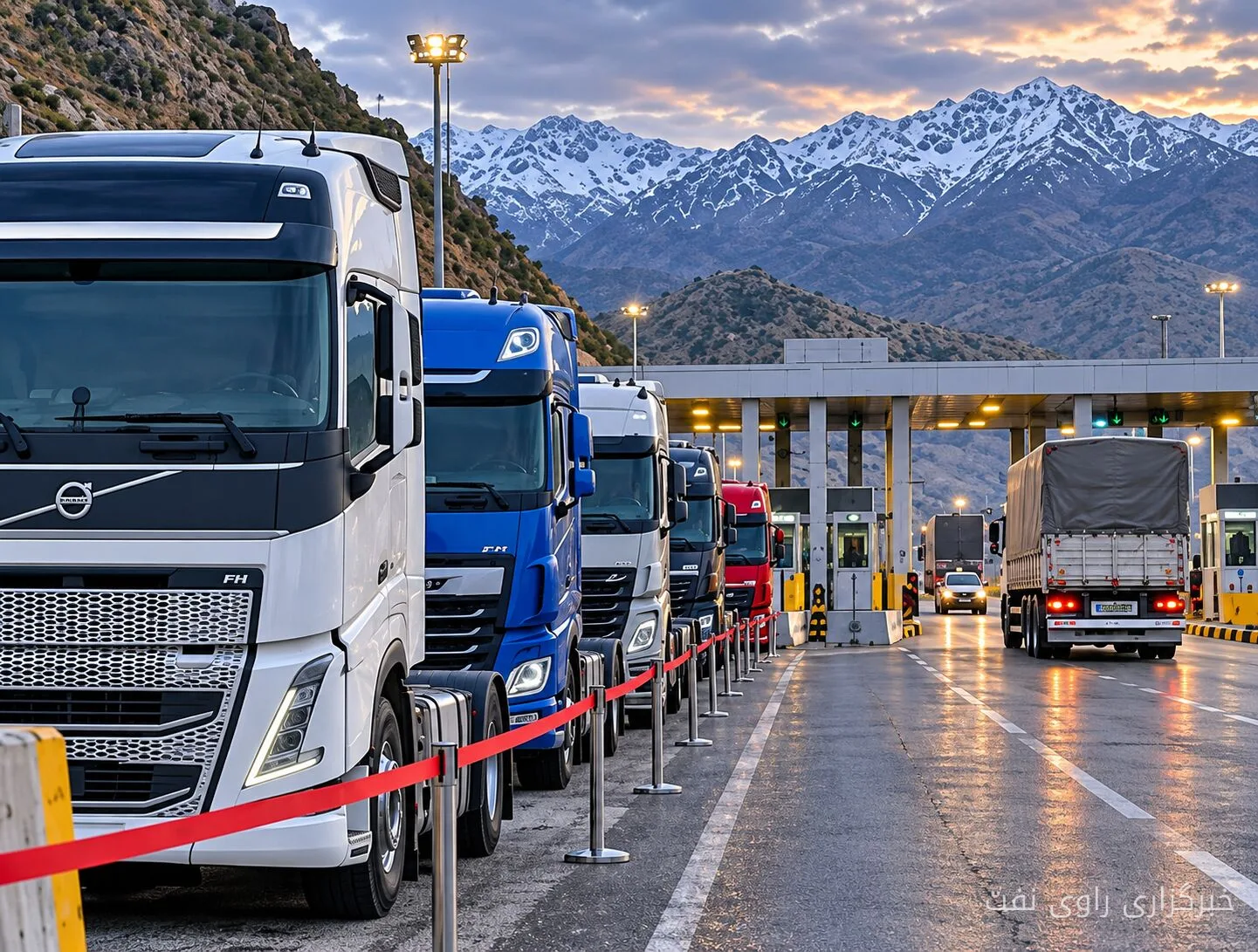
Morteza Kohanvord, a member of the board of the Alborz Chamber of Commerce, emphasized that the new plan by the United States titled "Iron Gate" could exert significant pressure on customs and Iran's foreign trade. The new restrictions aimed at disrupting Iran's land and sea routes could directly affect the production lines of factories, food, and pharmaceutical industries.
Economic Consequences of the Iron Gate Plan
Kohanvord believes that these restrictions will not only lead to a decrease in the volume of exports and imports but could also pose serious challenges to the supply chain of various industries. He pointed out that the capacity of the country's rail and land infrastructure is insufficient to accommodate the current volume of exchanges, and with the increase in transportation costs, a reduction in the supply of petrochemical raw materials will occur.
Read more: U.S. Natural Gas Prices Reach Highest Level in Three Weeks
He also noted that the continuation of the current situation could lead to serious disruptions in the packaging, food, and pharmaceutical industries. In this regard, the increase in transportation costs and a decline in demand for goods could harm the final prices of goods for consumers.
New Challenges for Iran's Foreign Trade
Kohanvord further stated that considering part of Iran's trade depends on the land routes of neighboring countries, the northern and northwestern corridors are more susceptible to the impact of this policy. He clarified that if more pressure is exerted by the United States, the customs of the country and neighboring countries will not be able to handle the high volume of trade exchanges, and this situation could lead to a crisis.
The Iranian government must pay special attention to the issue of returning foreign currency from exports. Given the new restrictions, exporters will face serious challenges in returning their currency, which could lead to an inability to meet the country's import needs.
Kohanvord expressed hope that with proper management, these challenges would soon be resolved and the country would remain safe from the negative consequences of these restrictions. He emphasized that if this policy is implemented, the pressure on the country's foreign trade network will significantly increase, and its direct consequence will be the rise in production costs and an increase in the final prices of goods for consumers.
Read more: China Surpasses Korea in LNG Carrier Orders · Iran's Ambassador to China Visited the Jam Petrochemical Booth at the Shanghai Exhibition