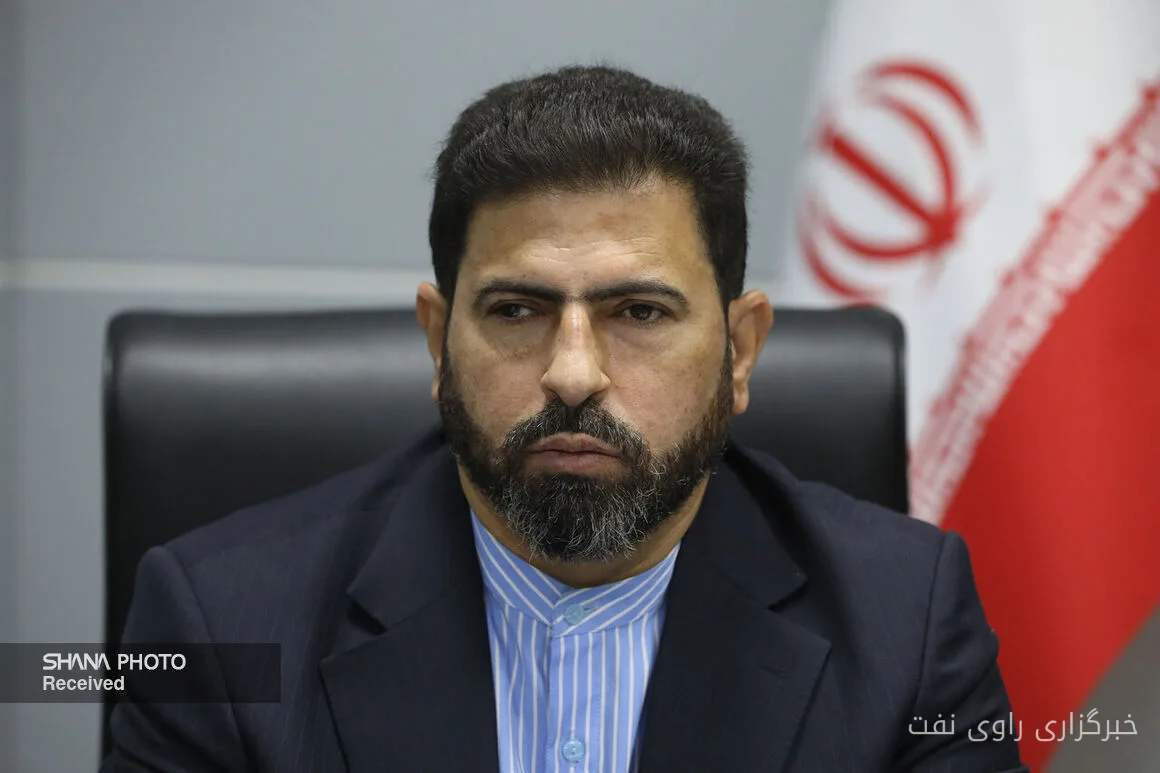
Mohammad Kaab-Amir, Vice President of the Energy Commission of the Parliament, introduced the reconstruction of damaged oil facilities as a strategic priority for the country in the current circumstances. In an interview with Shana news agency, he emphasized the importance of energy security and the uninterrupted supply of fuel, adding that, based on the Minister of Oil's emphasis, the operational activities at four gas refineries and the liquid fuel storage and loading facilities that were damaged during the recent war are being carried out around the clock with extensive mobilization of human resources.
Progress of Projects and Timeline for Returning to Operational Cycle
Kaab-Amir also referred to the weekly monitoring of project progress and stated: According to the plans made, part of the damaged capacities will return to the operational cycle by the end of this year, and the rest will return in the first half of next year. This process is being carried out to meet the country's energy needs and prevent fuel shortages.
Read more: 392,061 tons of steel and petrochemical products offered at the commodity exchange
The Role of Knowledge-Based Companies in the Reconstruction of Oil Facilities
The Vice President of the Energy Commission of the Parliament pointed to the utilization of knowledge-based companies in the reconstruction projects of oil facilities and stated: The reconstruction of oil, gas, and petrochemical facilities is not limited to repairing equipment, but rather it is a strategic opportunity for modernization, technology enhancement, and increasing the resilience of the country's energy infrastructure. Creating a cohesive mechanism to direct the capabilities of knowledge-based companies towards the real issues of the oil industry can enhance the effectiveness of the technological reconstruction process.
Kaab-Amir, while appreciating the efforts of the oil industry staff, announced that the Energy Commission of the Parliament has prioritized the necessary support to eliminate executive obstacles. This action is aimed at completing the projects as soon as possible and returning the facilities to the operational cycle.
Read more: Forecast of Venezuela's oil production increase to 1.8 million barrels per day by 2030 · The CEO of the Persian Gulf Holding emphasized diversification and increasing production resilience



