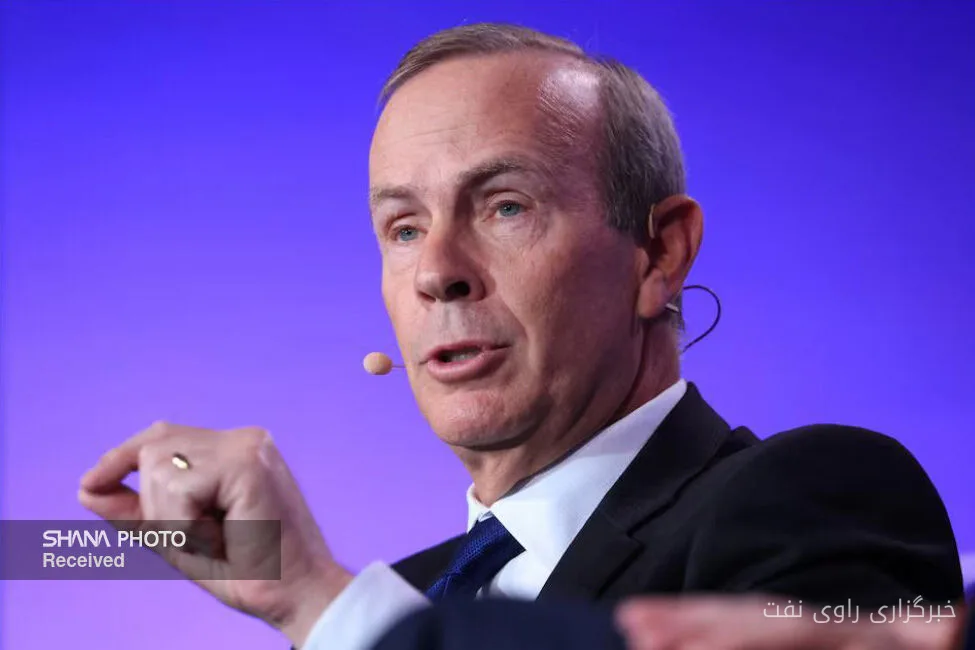
Mike Wirth, CEO of Chevron, on Tuesday (October 6) at the "Intelligence Energy Forum" in London, referred to the decrease in strategic oil and gas reserves as one of the consequences of Middle Eastern conflicts. He pointed out the fragility of the global energy system and the gradual increase in the floor price of crude oil in the market, stating that market conditions are particularly affected by these conflicts.
Oil and Gas Market Situation
Wirth announced that as this conflict enters its eighth month, the fundamental situation of the oil and gas market faces greater restrictions. The physical price of oil in Asia has now reached $150 per barrel, which is a significant distance from the $100 price of Brent crude oil futures. This situation indicates increasing pressure on the global oil and fuel market.
Read more: Utilization of the Gas Fifth Line Receiver Station by Behnam Mirzaei
Increasing Fuel Shortages and Government Actions
In recent months, the global petroleum product market, especially in essential fuels like gasoline and diesel, has faced increasing shortages. The prices of these products have risen much more than crude oil prices, prompting governments to consider measures to protect consumers and industries from soaring fuel costs.
Among these measures is last week's agreement by G7 countries to withdraw 100 million barrels from strategic crude oil and diesel reserves. Meanwhile, the possibility of an export ban by the U.S. is also being discussed. Wirth emphasized that the supply shortage caused by this ban limits global access to necessary resources, and the U.S. cannot be separate from global markets.
The CEO of Chevron also referred to the upcoming midterm elections in November in the U.S. and stated that a diesel export ban would not have a favorable impact on helping consumers in the country. Overall, the current situation of the oil and gas market indicates serious challenges for global energy supply.
Read more: Review of the Latest Status of the Yaran Oil Field Development Plan · Analysis of the Maritime Transport Market in Q4 2026



