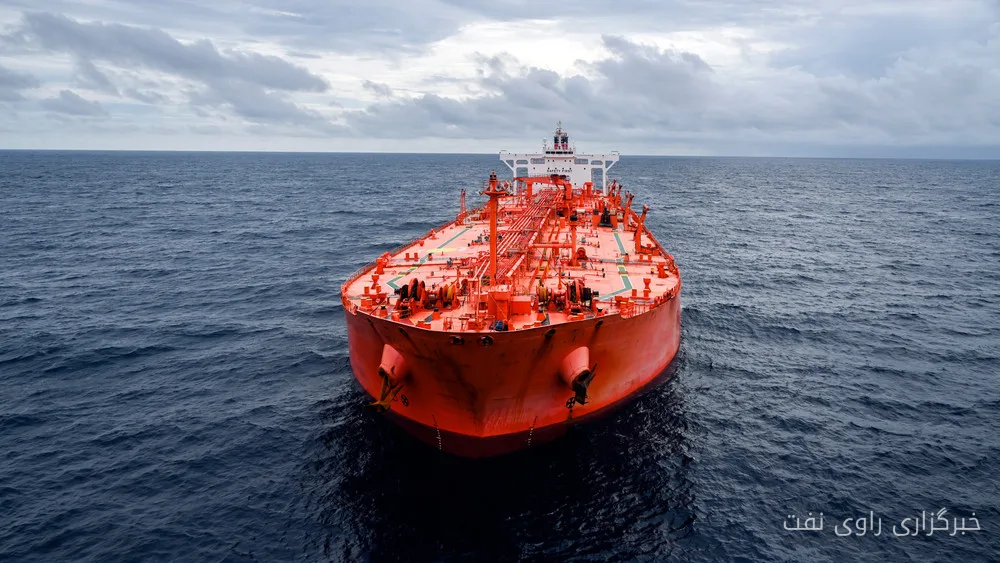
Mik Sherrill, the Democratic Governor of New Jersey, has informed port and terminal operators in the state of New Jersey to refrain from "purchasing or unloading illegal Russian fuel that is heading towards the East Coast of the United States." Sherrill's action poses a threat to President Trump's efforts to import Russian diesel into U.S. markets aimed at reducing high industrial fuel prices. These prices have been heavily influenced by Ukraine's drone attacks on Russian refineries and disruptions in the Strait of Hormuz.
Ban on Russian Fuel Imports to New Jersey
In a letter sent on Monday, Sherrill asked port operators to turn back tankers carrying Russian diesel and stated that the state would use its legal and regulatory powers to prevent these shipments from entering New Jersey. He noted, "Russia has sent several tankers of diesel to the United States, including at least one tanker that may be directed to the shores of New Jersey."
Read more: New Railway from Haparanda, Sweden, Strengthens Trade with Gothenburg Port
Economic and Political Implications of Russian Diesel Imports
Sherrill emphasized that "the Russian oil law does not allow the President or the Treasury Department to lift these sanctions through permits." He also pointed out: "Any attempt to profit from illegal Russian fuel trade will face severe penalties." This comes as earlier in October, President Trump announced an agreement with Vladimir Putin, the President of Russia, to allow the import of Russian diesel into the United States. Reviews indicate that the average diesel price at pumps nationwide has been about $6.29 per gallon, down from $6.50 in recent weeks.
For analysts, this issue arises as Brian Mandell, Executive Vice President of Marketing and Commercial at Phillips 66, recently told analysts in an earnings call: "We do not believe that Russia has enough diesel fuel to make a significant impact; clearly, this is a drop in the bucket compared to the amount of inactive diesel fuel."
Read more: Baltic Dry Freight Rate Index Drops to Lowest Level in Two Weeks · Significant Increase in Oil Import Costs in the European Union to €27.6 Billion per Month