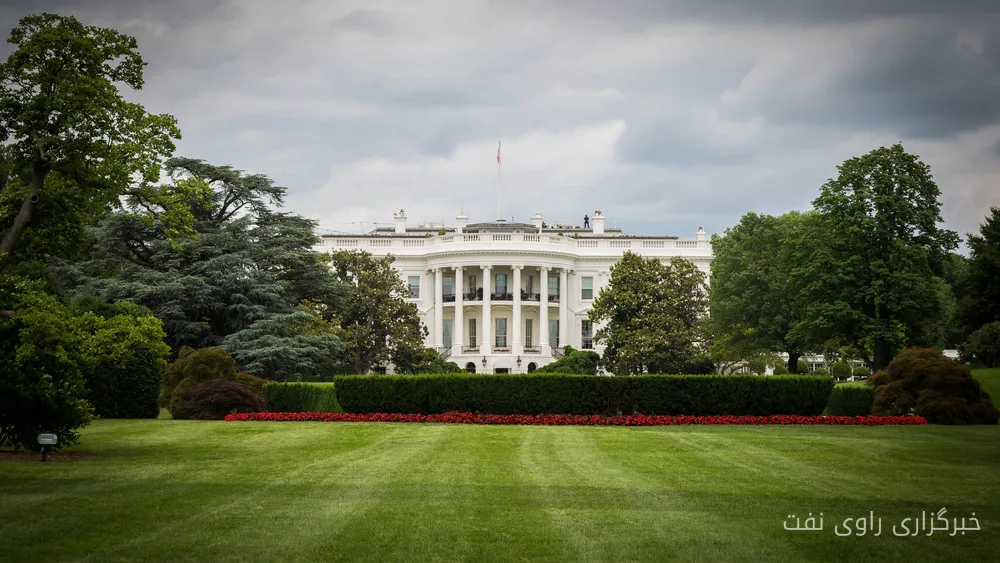
Melania Trump, the First Lady of the United States, will host representatives from Russia and Ukraine at the White House on November 5. This meeting will focus on discussing a local ceasefire in the southern Kherson region of Ukraine. Both parties have confirmed their participation in this meeting.
Local Ceasefire and Humanitarian Aid
This meeting comes after a six-day ceasefire around the city of Shcholkine, which is under Russian occupation. Melania Trump has stated that she played a role in negotiating this ceasefire to facilitate the delivery of humanitarian aid and the evacuation of vulnerable civilians. This ceasefire was in effect from October 27 to November 2 and, according to sources, allowed approximately 800 residents of the area to return to Ukrainian-controlled territories.
Read more: Trump Administration Denies Reducing Ukraine Intelligence
Delegation Teams and Upcoming Negotiations
Ukraine will be represented at this meeting by David Arakhamia, the head of the parliamentary faction 'Servant of the People,' and Dmytro Lubinets, the country's human rights representative. From the Russian side, Kremlin representative Kirill Dmitriev, head of the Russian Direct Investment Fund, and Yana Lantratova, the Russian Human Rights Commissioner, will be present.
This announcement comes as new diplomatic activities have begun. Russia confirmed on November 3 that trilateral negotiations involving Moscow, Kyiv, and Washington will take place on November 10 and 11 in Abu Dhabi. Dmitry Peskov, the Kremlin spokesman, announced that Vladimir Medinsky, an aide to the President of Russia, will lead the Moscow delegation in these negotiations.
The talks hosted by Washington are expected to address efforts to end Russia's full-scale war against Ukraine, post-war security arrangements, and ways to reduce tensions.
Humanitarian Challenges and Dire Situation in Shcholkine
The humanitarian situation in Shcholkine has severely deteriorated. Ukraine's Foreign Minister, Andriy Sybiha, stated in September that some residents have been forced to eat grass and weeds due to shortages of food, medicine, clean water, and electricity. The city of Shcholkine, located on the eastern bank of the Dnieper River in the Kherson region, had a population of about 24,000 before the war. After evacuations and displacements, only a portion of its residents remain in the area.
Ukraine has accused Russia of using this temporary ceasefire to strengthen its military positions in the area. Eugene Goncharov, policy director at the American Coalition for Ukraine, stated that he views the Shcholkine ceasefire as evidence of Russia's ability to agree to local stops in hostilities when it chooses, but he cautioned against expecting broader progress.
Cautious Expectations for Peace Process
Matthew Boyz, a senior researcher at the Hudson Institute and former Deputy Assistant Secretary of State for European and Eurasian Affairs during Donald Trump's presidency, stated that Russia may seek to expand this initiative by offering more local ceasefires in exchange for significant concessions from Ukraine. However, he noted that the gap between Moscow and Kyiv in reaching an agreement remains very wide.
William Taylor, former U.S. ambassador to Ukraine, said that the Shcholkine agreement could be a starting point, but any meaningful progress depends on Vladimir Putin's agreement to a broader ceasefire. The United States and Ukraine support a ceasefire, but it remains unclear whether Moscow is prepared to do so.
Read more: Russia Attacks Ukrainian Energy Facilities · Volodymyr Zelensky's Condition for Stopping Attacks on Russian Oil Refineries