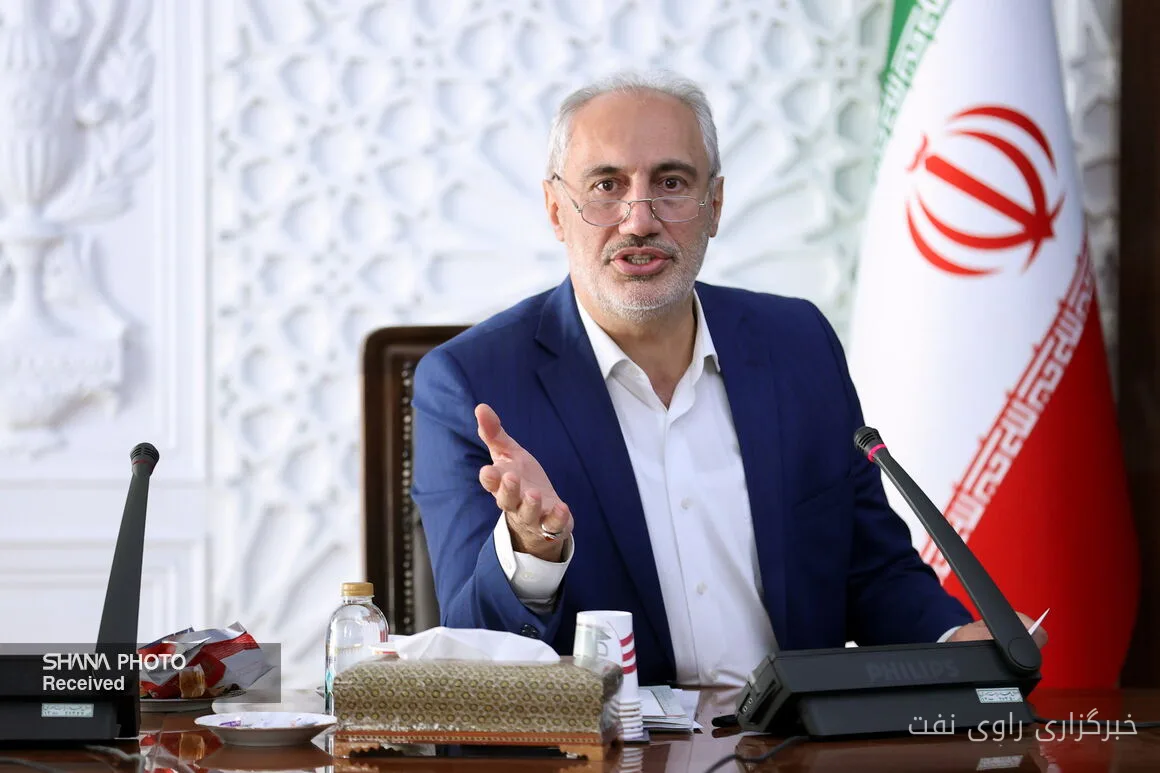
Mehrzad Alijani, an economist, in his analysis of BRICS and Iran's economic capacities, referred to recent changes in global trade and stated that BRICS is becoming one of the important trade networks in the global economy.
Significant Growth of Intra-BRICS Trade
According to UNCTAD's report, intra-BRICS commodity trade has increased from about $84 billion in 2003 to approximately $1.17 trillion in 2024. Additionally, the exports of the members of this group to the world have risen to about $6 trillion during the same period. These figures indicate the increasing importance of BRICS in shaping global trade patterns.
Iran's Economic Challenges in BRICS
Alijani emphasized the importance of China's role in BRICS trade and stated that China's lesser dependency on the BRICS market allows it to influence the economic advantages of other members. He noted that due to sanctions and financial restrictions, Iran should leverage BRICS as a platform to improve its trade status.
This economist asserted that for Iran, BRICS should be more than just a political or diplomatic title, and with the proper design of policies, it can become part of the new architecture of the country's foreign trade. He also pointed to the quality of trade and the types of exported and imported goods, calling for a change in the country's economic structure.
Moving Towards Economic Diplomacy
Alijani stressed the necessity of changing Iran's economic policymaking approach and stated that the country should move towards operational economic diplomacy. He considered creating sustainable pathways for financial settlement and trade development with national currencies as one of the top priorities. Additionally, customs agreements and joint investments should be at the center of Iran's economic policies.
He emphasized that for the potential of BRICS to be realized, trade cooperation must be linked with industrial, financial, and regulatory policies, and sustainable growth can only be achieved through financial and logistical infrastructures.
BRICS as a Production and Financing Network
Alijani also pointed out that Iran can utilize BRICS as a production and financing network. The country has advantages such as energy and geographical location, which can be leveraged to attract investment and shape joint production chains.
Areas such as petrochemicals, refining, mining, and information technology could provide suitable grounds for developing joint cooperation with BRICS members. Alijani concluded by stating that Iran's success in BRICS should be measured by the level of joint investment and value-added creation.