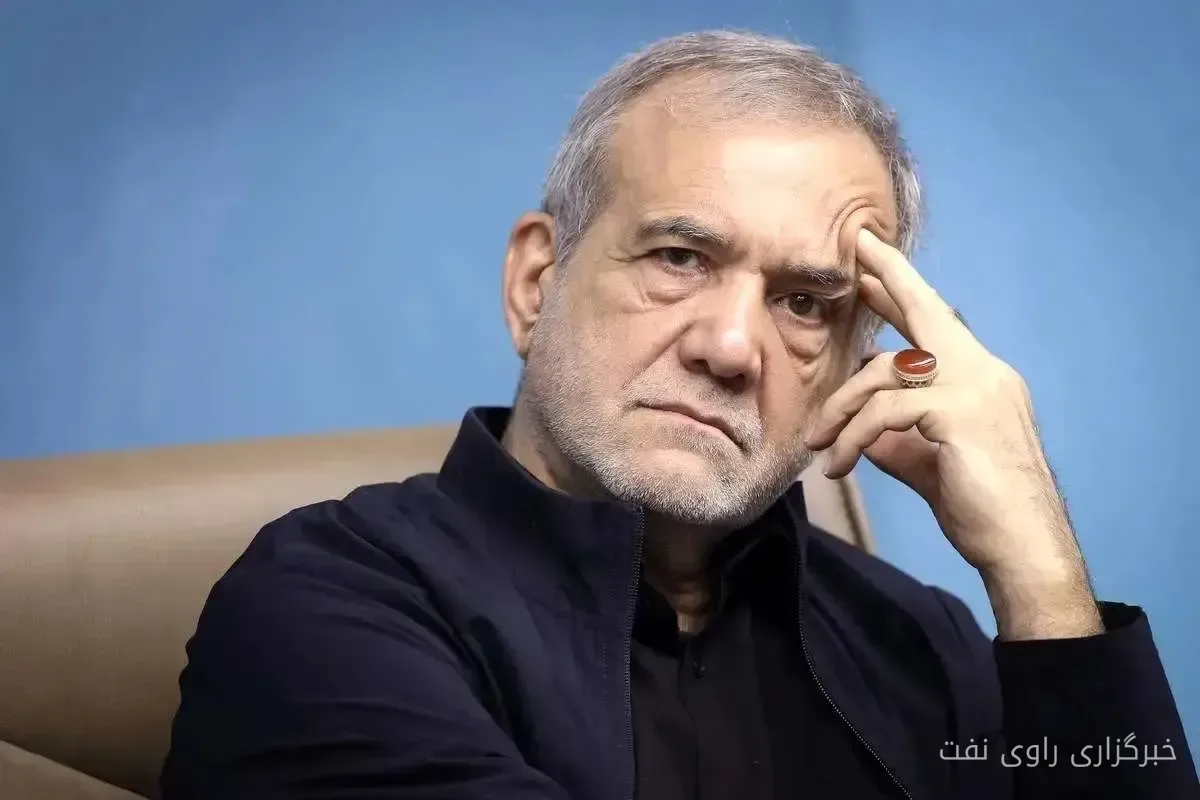
Massoud Pezeshkian on Wednesday evening, November 4, 2026, in a meeting dedicated to the problems of industrialists and producers, emphasized the necessity of reforming the country's energy supply system. This meeting was held with the presence of the Ministers of Industry, Mining and Trade, and Energy, as well as the caretaker of the Ministry of Oil, and the main focus of the discussion was the supply of fuel and electricity for production units.
Priority of Securing Energy for Factories
Pezeshkian stated in this meeting that securing energy for factories should be recognized as one of the government's main priorities. He noted that energy consumption management should be conducted in a way that does not disrupt the activities of production units. He also emphasized that the problems of industries in different regions of the country are not the same, and the government should plan for each province according to climatic conditions, production capacity, and the needs of industrial units.
According to the report published from this meeting, the President called for close monitoring of energy consumption and preventing the inappropriate allocation of fuel support quotas. As sustainable energy supply has become one of the important issues in production planning for many industrial units, special attention must be paid to this matter.
20% Reduction in Public Sector Energy Consumption
One of the key points in Pezeshkian's remarks was the necessity of reducing fuel and energy consumption in the public sector. He emphasized that if all government agencies can reduce their energy consumption by 20%, the continuous supply of energy needed for industrialists and business owners will be more feasible. This approach aims to reduce pressure on the country's energy resources and optimize consumption.
However, a 20% reduction in the consumption of government agencies does not necessarily mean a corresponding increase in the electricity supply for industries. To achieve this goal, the share of government consumption from the total network, the actual savings, and the synchronization of reduced consumption with peak demand hours must be determined. Additionally, government agencies should be evaluated based on measurable indicators to clarify the extent of the consumption reduction program's realization.
The Impact of Power Outages on Industries
Sustainable energy supply is one of the essential needs for the operation of industrial units. Unplanned power outages can halt production lines and damage semi-finished products. In the steel, cement, and petrochemical industries, restarting equipment after a shutdown can be costly and time-consuming.
In July 2026, reports were also published about power restrictions and two-day shutdowns of some factories in industrial zones. These restrictions had negative impacts on production and employment. However, the Ministry of Energy announced on November 4, 2026, that the restrictions on electricity supply for the country's industries had been completely lifted. Pezeshkian's statements should be evaluated more in the context of preventing the return of restrictions, especially in the cold season and during times of increased fuel consumption.
Reforming the Fuel Quota Allocation Method
Another topic raised in the government meeting was the reform of the fuel quota allocation method for production units. Pezeshkian emphasized that the amount of fuel allocated to factories should correspond to their actual activity and operational needs. This approach can prevent the allocation of resources to inactive units, and instead, units that have real and continuous production should have access to the energy they need.
Pezeshkian also announced that field assessments and verifications would be conducted to determine the needs of industrial units. The success of this method depends on the quality of information and the transparency of the quota allocation mechanism. If the quota is determined solely based on past production levels, factories that intend to increase capacity may face restrictions.