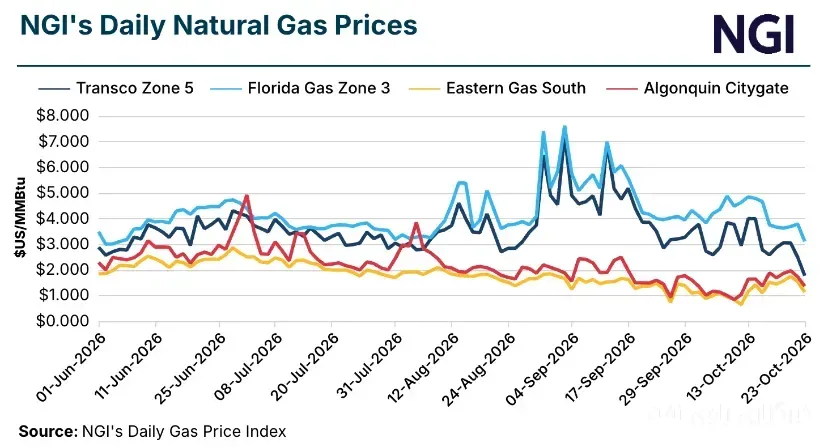
Marine fuel prices in October 2026 will experience significant fluctuations due to geopolitical tensions in the Middle East and disruptions in the Strait of Hormuz. This situation has pushed Brent crude prices above $110 per barrel and increased geopolitical risks in the fuel market.
Supply Pressure and Inventory Reductions
Decreased production in the Gulf and reduced global oil inventories have put additional pressure on supply, resulting in the highest prices for marine fuels. Additionally, existing restrictions on diesel and gasoil supply in the Gulf have strongly supported MGO LS prices.
Fuel Price Fluctuations and Regional Impacts
At the end of September 2026, the 380 HSFO index reached $701.31 per ton, reflecting a $79.31 increase compared to the end of August. Moreover, the VLSFO index rose by $69.36 to $845.00 per ton, and the MGO LS index increased by $167.28 to $1,517.08 per ton. These price increases are mainly due to escalating tensions between the United States and Iran.
Additionally, the price of LNG fuel at the Sines port (Portugal) has risen to $1,608 per ton, driven by concerns over low gas inventories in Europe and the negative impacts of tensions on LNG supply, leading to intense competition between European and Asian buyers for LNG shipments.
Changes in Compliance Costs and the European Market
Compliance costs in Europe, particularly in the northwest regions, have been affected by RED III requirements, reducing competitiveness at the Port of Rotterdam compared to neighboring ports like Antwerp and Hamburg. Furthermore, price fluctuations in the market have altered marine fuel demand, and the market is moving towards stability.
At the end of September, the level of gas reserves in underground facilities in Europe reached 71.16% of total capacity, indicating a 6.43% increase compared to the end of August. The marine fuel market in Europe is heading towards price fluctuations and intense competition, and this trend is expected to continue in October.