Mahdi Hosseini emphasized the necessity of diversifying the models for developing renewable power plants and said: "Utilizing the capacity of the private sector, developing small-scale power plants, and facilitating the participation of small investors are effective solutions for increasing the capacity of clean electricity production by the peak consumption in the summer of next year."
Current status of renewable power plants
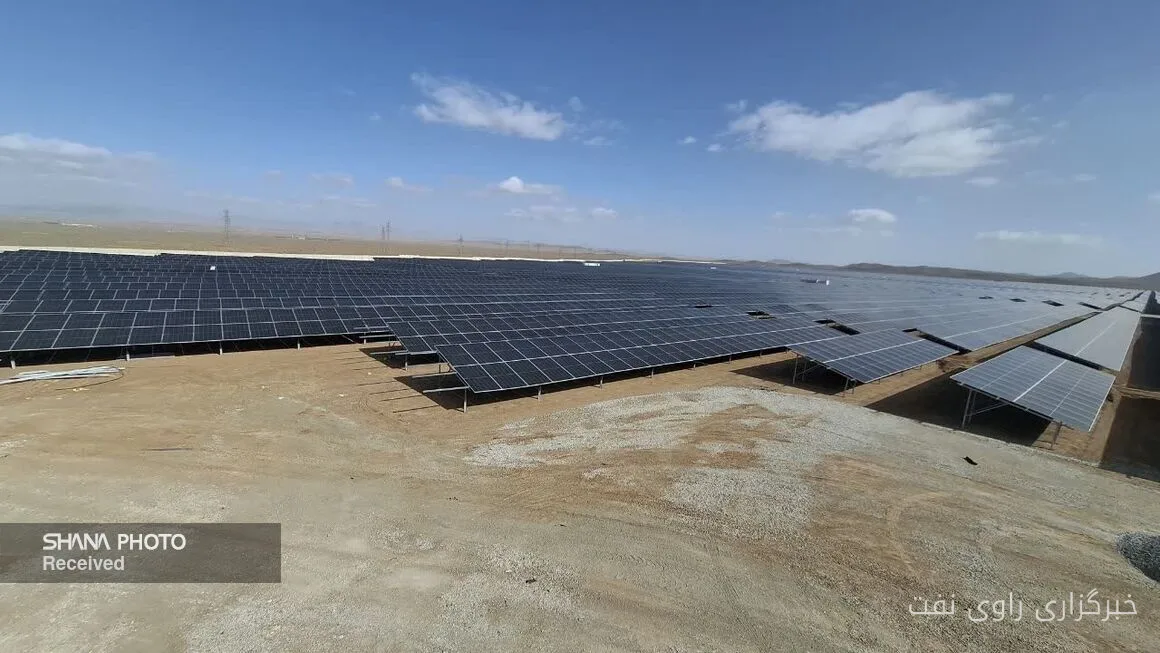
He pointed to the trend of developing renewable power plants in the country and added: The capacity of renewable power plants that have been commissioned has reached about 6,200 megawatts. Of this amount, about 5,043 megawatts are allocated to medium and large solar power plants, and about 538 megawatts are dedicated to distributed solar power plants.
Ongoing projects and capacity forecasts
The Director General of the Office of Planning, Budget, and Regulation of the Renewable Energy and Energy Efficiency Organization (SATBA) referred to the registration of nearly 49,000 distributed solar power plants in the country and considered the participation of the public and small investors as one of the important capacities for the development of renewable energy. He emphasized the necessity of providing the necessary grounds for expanding this participation.
Hosseini also said: "More than 6,000 megawatts of renewable power capacity is under construction, and the capacity of planned projects until the peak electricity consumption in 2027 is estimated to be about 6,073 megawatts; a capacity that can help strengthen the country's electricity production during peak consumption by accelerating project implementation."
Development of green electricity aggregation entities
He identified the development of green electricity aggregation entities as a solution to facilitate the presence of small power plants in the electricity market and added: "These entities, by aggregating the production capacity of small-scale power plants, enable their effective presence in the market and supply electricity to consumers, especially industries."
The Director General of the Office of Planning, Budget, and Regulation of SATBA referred to the development of energy storage systems and the design and provision of small-scale facilities and emphasized that these tools can reduce the barriers to small investments entering the electricity industry and facilitate widespread private sector participation.
Hosseini concluded by emphasizing that achieving the goals of developing renewable power plants requires synergy of supportive policies, strengthening market-oriented mechanisms, and sustainable financing to help manage electricity imbalance and enhance energy security during next year's peak consumption.