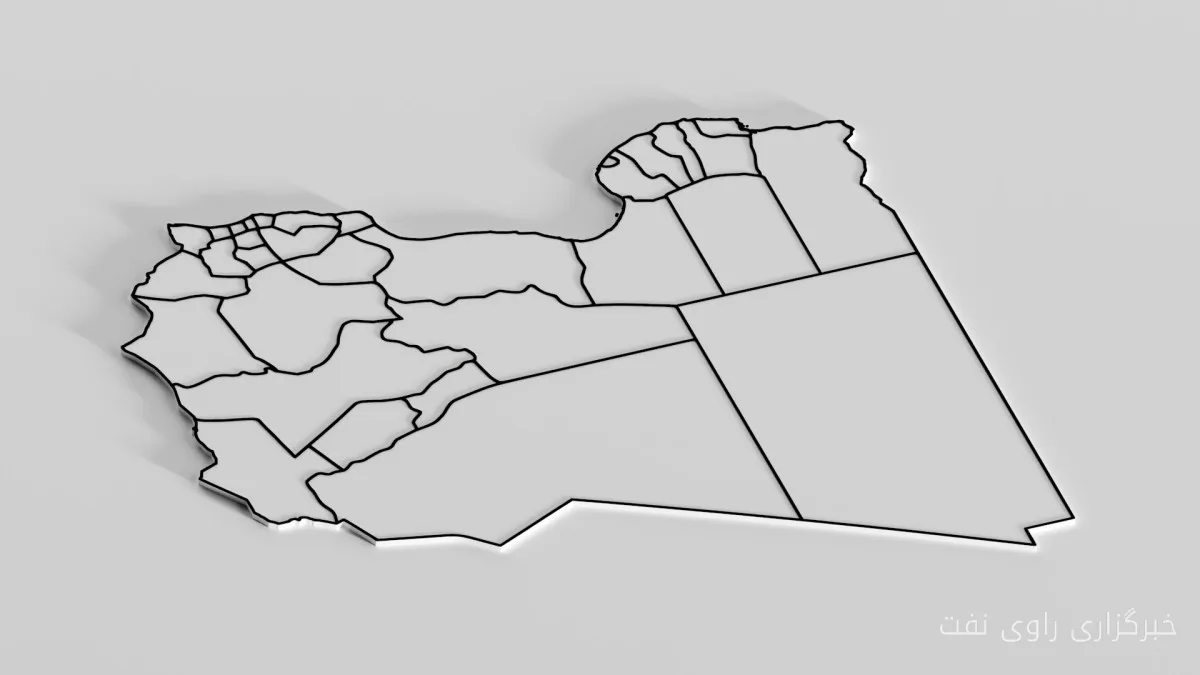
The Sharara oil field, the largest oil field in Libya, has faced a reduction in production due to the closure of a valve in the pipeline that transports crude oil from the Sharara field to the Zawiya port for export. This blockage, carried out by a military group, will have significant impacts on the country's oil production.
Details of the Blockage and Its Impacts
The military group responsible for the blockage closed valve number 7 in the pipeline that transports crude oil from the Sharara field to the Zawiya port for export. The National Oil Corporation of Libya (NOC) announced that this blockage has led to increased pressure within the crude oil pipeline and has resulted in a significant reduction in oil production at the Sharara field. The Sharara field, managed by Akakus Oil Operations, previously produced about 340,000 barrels of oil per day. However, following the closure of the valve, production has decreased to around 120,000 barrels per day.
Read more: New US Sanctions Law Threatens India's Major Oil Trade with Russia
Economic and Social Consequences
The National Oil Corporation of Libya has warned that the continued blockage of valve number 7 will undoubtedly lead to a halt in production, transportation, and export operations at the Sharara field. This could seriously harm the national economy, especially as global oil prices are rising. NOC also indicated that if the current situation persists, it may be forced to declare force majeure in the production and export of oil from Sharara. This situation not only reduces national revenues but also exposes the oil transportation system and its facilities to technical and operational risks.
The recent blockage at the Sharara field occurs while the global oil market is under severe supply pressures. Oil transport through the Strait of Hormuz is facing serious challenges due to uncertainties and instabilities, and exports from the Yanbu port on the shores of the Red Sea in Saudi Arabia have also been suspended following an attack on the East-West pipeline on September 10. These conditions have led to a renewed increase in oil prices in Asian markets.
Read more: Farm Khitiri Appointed as Head of Engineering, Research, and Technology Department · Oil Crisis in the Global Market with Increased Diesel Margins in Asia



