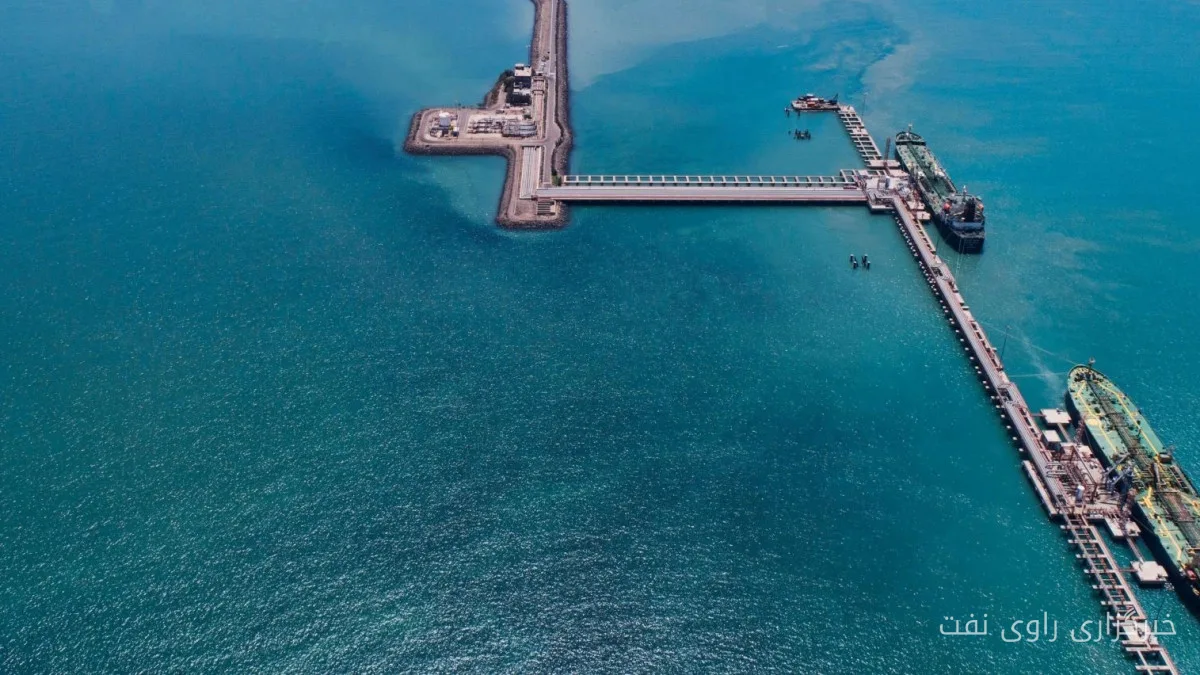
India's import of Russian crude oil, as the second-largest importer of this product, has been affected by the new US sanctions law. This law, known as the "Lindsey O. Graham Sanctioning Russia and Iran Act of 2026," allows the President of the United States to impose tariffs of up to 100 percent on countries that import large volumes of Russian oil and natural gas.
Details of the New Sanctions Law
This law, signed by President Donald Trump, is designed to increase pressure on Russia and Iran. According to this law, if a country that is one of the largest importers of Russian crude oil continues to purchase these products after the law comes into effect, the President can increase the tariff rate by up to 100 percent. This action has serious economic implications, especially for India, which is heavily dependent on Russian oil.
Read more: Silence of Riyadh and Moscow in OPEC Fuels Concerns
In recent months, India's import of crude oil from Russia has increased unprecedentedly, reaching 2.8 million barrels per day in July. This figure shows an increase from 2.7 million barrels per day in June and indicates that it accounts for more than half of India's total crude oil imports during this period.
Consequences of Trade Tariffs
Given this law, India is likely to face heavy tariffs on its exported goods to the United States. This situation could affect the trade relations between the two countries, which are negotiating a bilateral trade agreement. The Ministry of External Affairs of India has responded to this issue, stating that the country will continue to ensure energy security for its 1.4 billion citizens.
India has also emphasized that it has discussed the consequences of these tariffs at a high level with US officials, expressing concerns about their impact on bilateral relations and the global energy market. Currently, India is facing a dilemma: should it significantly reduce imports of Russian crude oil and seek alternative sources at higher prices, which would be detrimental to refiners and consumers?
The possibility of delaying the implementation of the new tariffs or slightly reducing them may be manageable for India, but the potential imposition of tariffs, which has now been legally approved by Congress, could disrupt months of efforts to secure a trade agreement between the United States and India.
Read more: Pakistan Coordinated with Iran to Pass Qatari Gas Shipment through the Strait of Hormuz · Continuous Government Management and Ongoing Development of the Country in Wartime Conditions



