Iran is facing complex challenges in the energy sector, particularly electricity, stemming from the imbalance between electricity production and consumption. This imbalance peaks especially during the hot seasons of the year, particularly in the summer. To address this imbalance, examining the experiences of industrial countries can be enlightening.
Current Challenges in Iran
As a country with rich energy resources, including natural gas and oil, Iran faces multiple challenges in electricity production and distribution. The significant distance between production resources and consumption centers is one of the main issues. For example, many electricity production sources are located in remote and mountainous areas, while the majority of electricity consumption is concentrated in large cities.
Read more: The contractor workers' strike at the Hanwha Ocean shipyard has entered its ninth day
In this context, we can refer to the experiences of industrial countries such as Canada, China, the United States, and Japan, each of which has faced similar challenges regarding electricity imbalance and has found solutions to this problem. For instance, in Canada, the distance between production resources and consumption centers has been reduced through the use of strong transmission networks and the development of related infrastructure.
Experiences of Industrial Countries
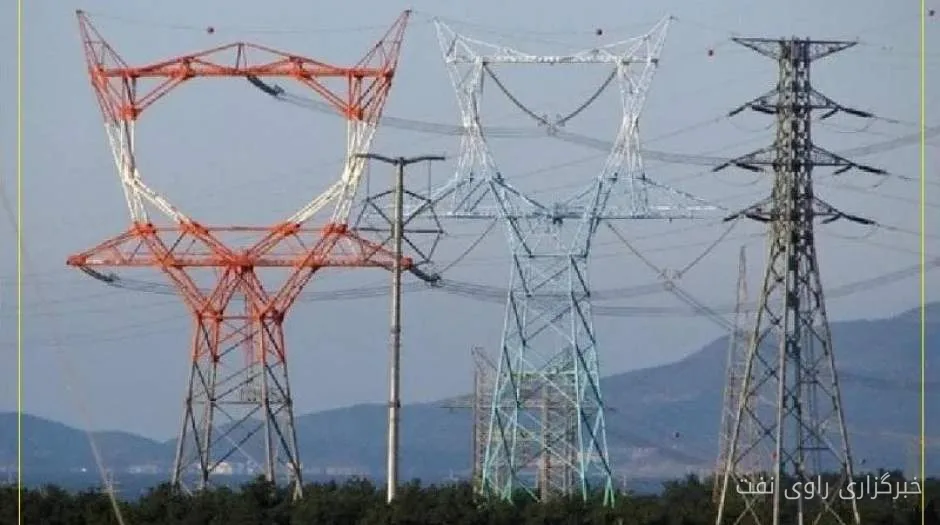
China, as one of the largest electricity producers in the world, faces geographical spread and spatial mismatch between production and demand. This country has successfully transferred electricity produced in remote areas to consumption centers through significant investments in transmission infrastructure. For example, China has managed to cover long distances with minimal energy loss by utilizing ultra-high voltage (UHV) transmission systems.
The United States, particularly in large states like California, is also grappling with electricity imbalance and has turned to the development of renewable energy and energy storage to tackle this challenge. The use of solar and wind energy in this country has been proposed as an effective solution to reduce electricity imbalance.
Japan, given its specific requirements after the Fukushima incident, has particularly focused on developing clean energy technologies and optimizing energy consumption. This country has managed to minimize electricity imbalance by employing modern technologies in load management and consumption optimization.
Overall, utilizing the experiences of industrial countries can significantly assist Iran in addressing the electricity imbalance issue. Given Iran's high electricity production capacity, adopting successful strategies from other countries can lead to an improvement in the current situation.
Read more: Fuel supply situation in the bunker market of Singapore and China · The visit of Abbas Aliabadi, Iran's Minister of Energy, to Kabul