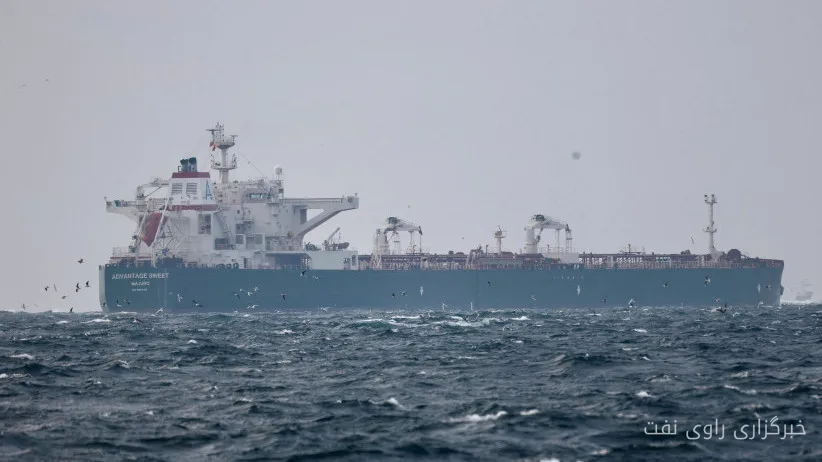
Iranian oil is increasingly disappearing from the global market, while China, the largest buyer of this oil, is facing new challenges due to its rising demand. China's improved demand for crude oil contrasts with the declining supply from Iran, a key supplier for the country's independent refineries. This situation forces refineries to compete for more expensive alternatives.
Consequences of Iran's Oil Supply Decline
Iran is facing serious challenges in supplying oil as its production capacity has been severely impacted by sanctions and political disruptions. Currently, the supply constraints caused by the disappearance of Iranian oil are also putting pressure on other buyers. The Strait of Hormuz is currently under pressure, transporting 13 million barrels per day, which is only 5 million barrels below pre-crisis levels.
Read more: Guyana has achieved significant economic growth by producing oil from the Stabroek field
It is expected that Iran will gradually move towards disruption in the Strait of Hormuz, which could have significant consequences for the global oil market. By 2025, China, as the only major buyer of Iranian oil, was purchasing an average of 1.4 million barrels per day from Iran, but this amount has sharply declined with the onset of wars and sanctions.
Impact on China's Independent Refineries
China's independent refineries, which relied on Iranian oil, are now facing a major challenge in sourcing crude oil. These refineries, which account for about one-fifth of China's oil imports, are forced to seek alternatives further afield, including the Middle East and West Africa. For example, in September, ten independent Chinese refineries traveled to Singapore to secure oil supplies from these regions.
Refineries located in the port of Qingdao, connected to 12 independent refineries, sourced an average of 40 percent of their crude oil from Iran in 2025. However, in recent months, these refineries have turned to purchasing oil from Brazil and Guyana. Currently, oil imports from Iran have stagnated, with total inflows dropping to 220,000 barrels per day.
These changes in oil supply have led to refineries facing oil shortages and more expensive options. In response to this situation, the Chinese government issued an additional crude oil import quota of 28.05 million tons in late September to allow refineries to buy more, but this measure has not helped reduce prices.
Ultimately, given the current conditions, Iran is faced with the forced choice of reducing production. Iran's daily oil production, which reached 3.2 million barrels per day before the war, is now limited to 2.2 million barrels per day. This situation not only puts pressure on China's independent refineries but could also have serious impacts on the balance of the global oil market.
Read more: Increase in oil and gas production in the United States in the third quarter of 2023 · Increase in oil exports from the Strait of Hormuz to 13 million barrels per day



