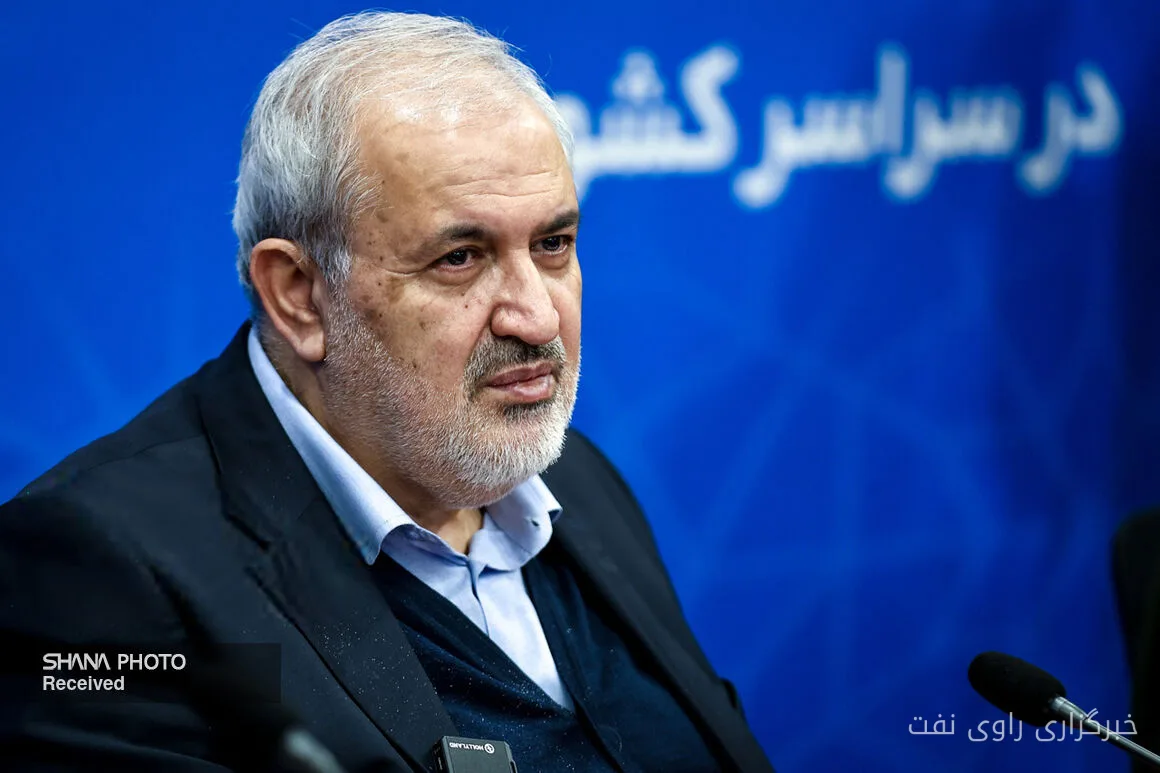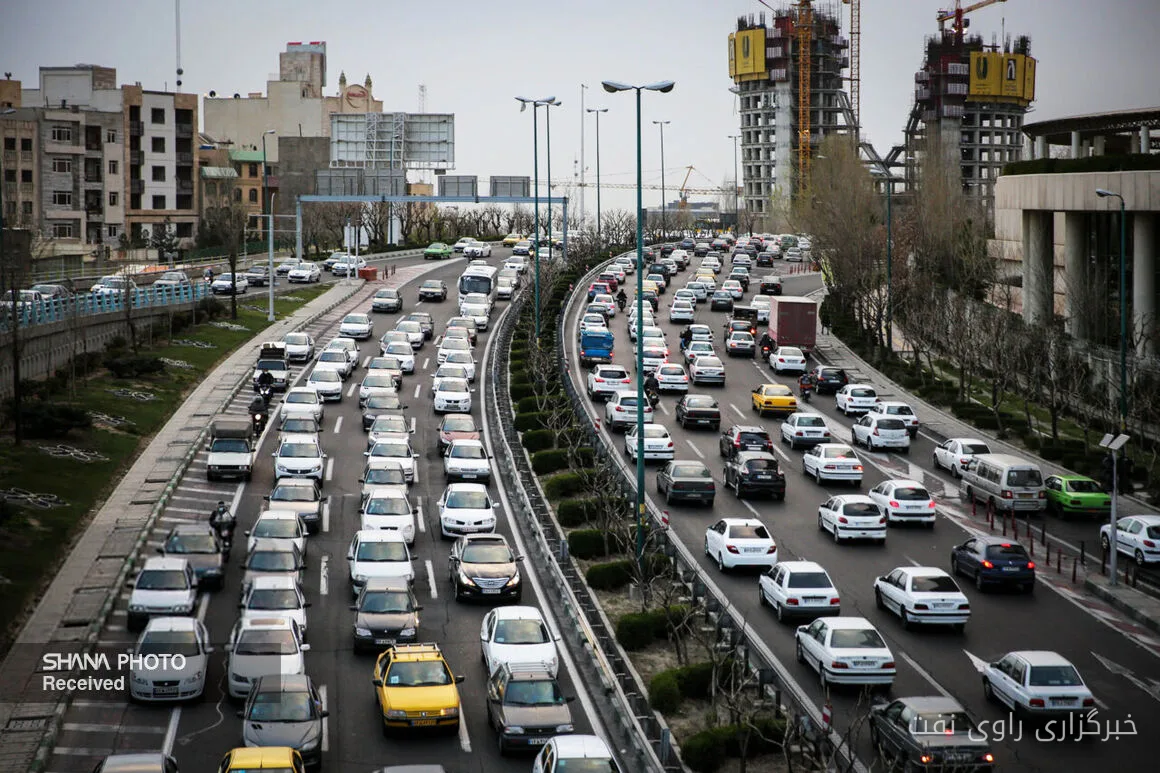
Iran is facing various crises in fuel and gasoline management, and this issue requires serious and expert decisions from managers. One of the recent proposals, "30 liters of gasoline for each Iranian," seems more like a political presentation than a practical solution. While none of the three gasoline scenarios have been finalized by the government, this plan could have serious implications for the fuel market and consumers.
Transfer of quotas and its consequences
Transferring gasoline quotas from vehicles to individuals, as a proposed solution, does not address the existing imbalance and only leads to the redistribution of subsidies. This action could confront the government with new commitments and create a market for quota speculation. Given the current conditions, this type of policymaking could also increase regulatory complexities.
Read more: Strait of Hormuz; the center of crisis and its impact on people's livelihoods
Need for efficient managers
Iranian managers must seek solutions that can effectively resolve the existing crises. The country needs managers who can navigate the current crises with correct and expert decisions, rather than those who are only known for crises. In fact, any decision-making should be based on data and precise analyses to achieve desirable outcomes.
Ultimately, to overcome the crises, there is a need for a comprehensive and multidimensional approach that considers all aspects of the issue. The decisions made should not only solve current problems but also pave the way for future improvements.
Read more: New historical fuel records in America set by Patrick De Haan · Trump in the dilemma of war with Iran: a catastrophic threat is on the way