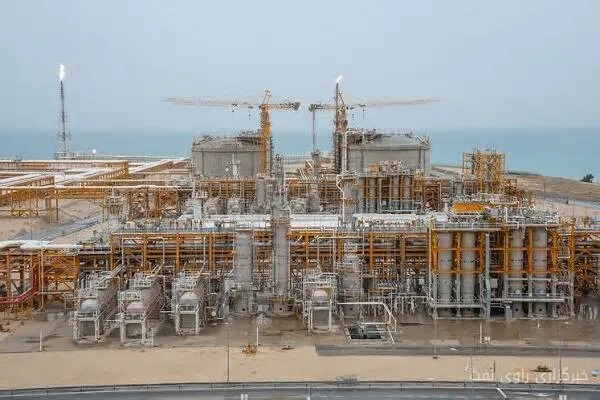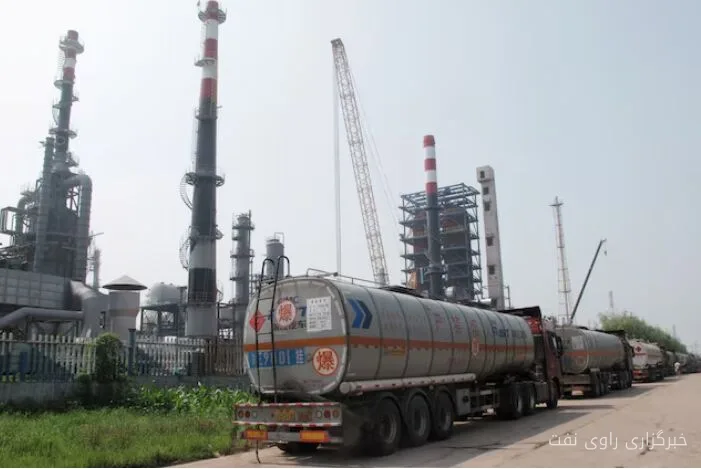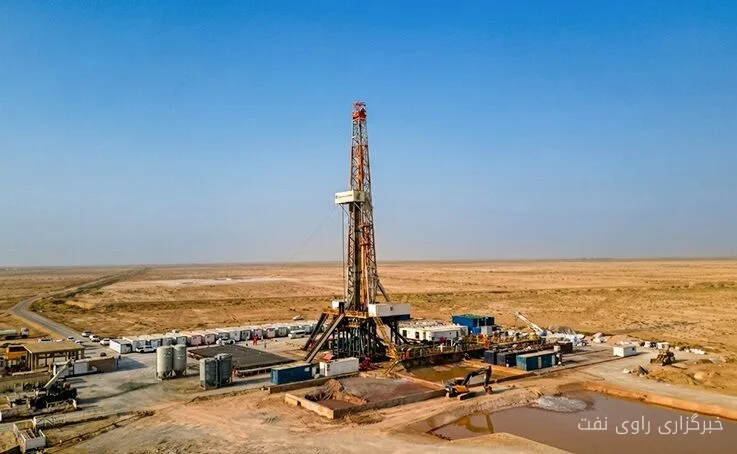
As tensions between Iran and the United States have reached a significant level, the two countries appear to be preparing for a prolonged conflict. This war, which will directly impact energy markets in the Middle East, seems to set the stage for serious changes in how energy resources are managed in the region.
Ceasefire in the Distant Future
Despite diplomatic efforts to reduce tensions, there are no signs of a short-term ceasefire. Analysts believe that any peace agreement that may form soon is far from reality due to the depth of the disagreements between the two countries. This situation is particularly complicated as the Islamic Republic of Iran continues its nuclear programs and the United States maintains sanctions and pressures.
Economic Consequences of War
The war that seems to be forming could lead to a significant reduction in oil and gas supply in the global market. This situation, in turn, could sharply increase prices and negatively affect energy-dependent countries. Given these circumstances, countries must prepare to face the challenges arising from this war, as an energy crisis could manifest itself in the near future.
Considering these developments, it seems that the Middle East has become a battlefield whose consequences will extend beyond the borders of this region. Ultimately, this war will impact not only Iran and the United States but all countries around the world.